



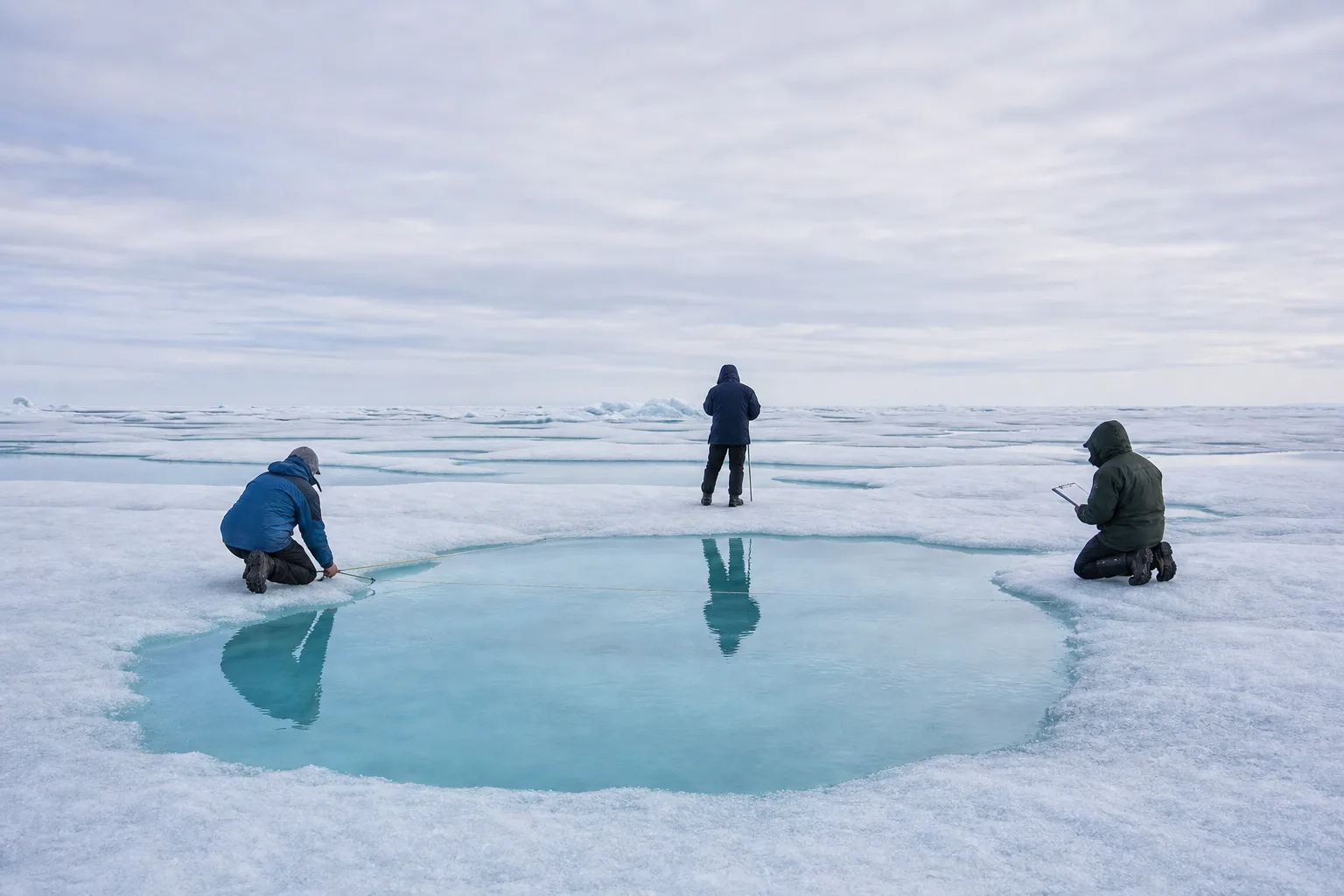
The Arctic is a region of homes, cultures, economies, ocean, land, ice, and living systems. It is not a remote symbol for change elsewhere. Understanding why it matters begins with the people and ecosystems of the region, then follows physical and economic connections outward without reducing the Arctic to a warning sign.

Change within the region
Temperature, sea ice, glaciers, permafrost, freshwater, ocean conditions, vegetation, and food webs are connected but do not move in one simple direction. The NOAA Arctic Report Card 2025 reports the warmest Arctic water year since at least 1900, at 1.60°C above the 1991 to 2020 average. A water year and a baseline are part of that statement. The figure is not a direct measure of every place or season.
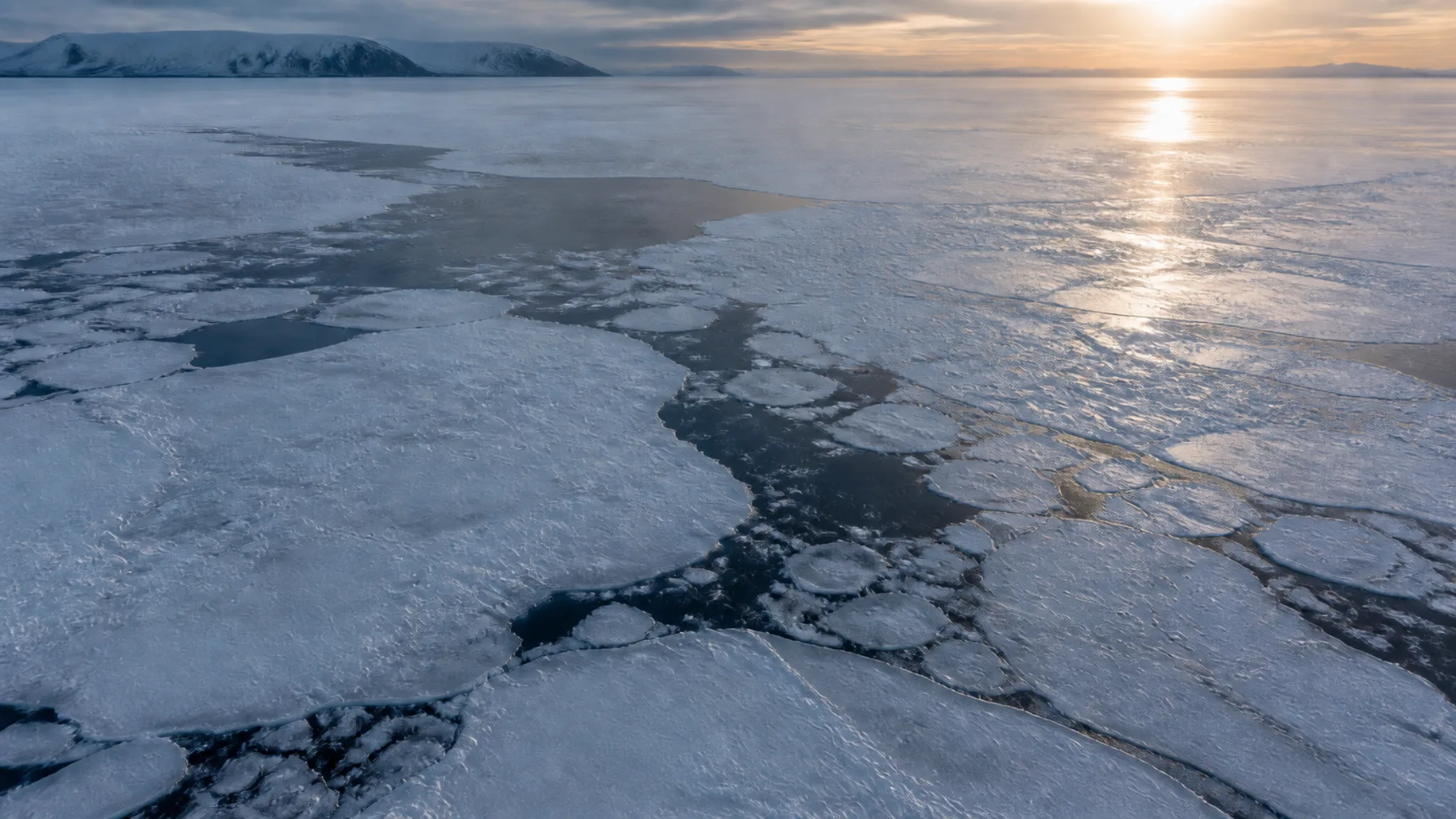
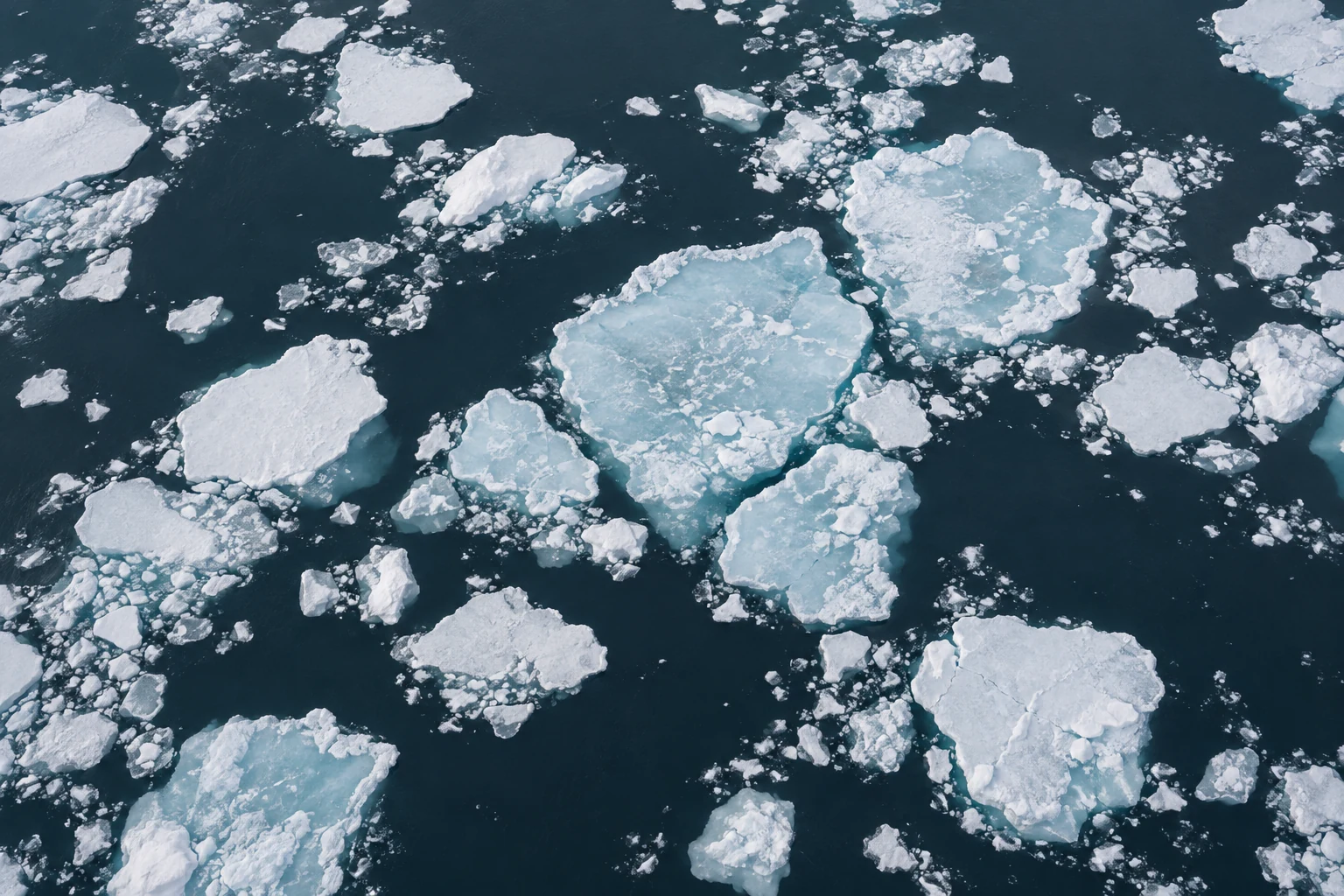
Sea ice affects travel, habitat, exchange of heat and moisture, and the seasonal character of the ocean. Permafrost and snow influence water movement, infrastructure, and access to forage. Ocean changes affect sound, species distributions, and food-web relationships. The consequences are experienced locally, even when the drivers include emissions and decisions far beyond the region.
Connections beyond a latitude line
Greenland ice loss contributes to global sea-level rise. The NOAA 2025 assessment reports a Greenland mass balance of -129 ± 50 Gt for the stated period and method. The uncertainty range matters because ice-sheet mass balance combines snowfall, melt, runoff, and ice discharge from different observations and models. A single year belongs within a longer record rather than standing alone as a forecast.
Arctic ocean and atmospheric changes interact with wider systems, but simple claims about one event in another region often outrun evidence. Physical connections can be real while attribution remains specific to the event, mechanism, time, and model comparison. A careful explanation names that chain instead of using the Arctic as a universal cause.
Research governance matters
The region is not an empty laboratory. Research choices affect authority, time, data, representation, and capacity. The National Inuit Strategy on Research explains why Inuit governance, ethical conduct, funding alignment, data ownership, and capacity belong at the center of research. Those priorities are not an optional social layer placed around otherwise complete science.
This fictional site cannot represent the variety of Arctic communities or governance. It can make one editorial commitment clear: evidence should show whose knowledge is involved, who controls access, which decisions remain local, and where a source comes from. Visit Communities and livelihoods for a fuller account.
What a reader elsewhere can do
Household and workplace choices matter within systems of housing, transport, energy, finance, food, and public policy. The IPCC AR6 Working Group III Chapter 5 examines demand, services, and social aspects of mitigation. It does not support a purity test for individual lifestyles. It supports examining infrastructure, access, behavior, institutions, and policies together.
Start with a decision you can influence, find the owner of the larger system around it, and ask for a measurable change. Reduce avoidable travel where alternatives exist, improve building performance, waste less food, keep useful products in service, examine financial and procurement choices, and participate in public decisions. The Everyday impact series offers practical routes with their limits visible.
The Arctic matters first because people and living systems there matter. Its connections to global climate and decisions add responsibility, not ownership. Sources, baselines, and uncertainty for the claims on this page are listed in Sources and methods.