Evidence for a living Arctic.

Still North makes careful Arctic evidence easier to explore, from sea ice and wildlife to practical choices closer to home.

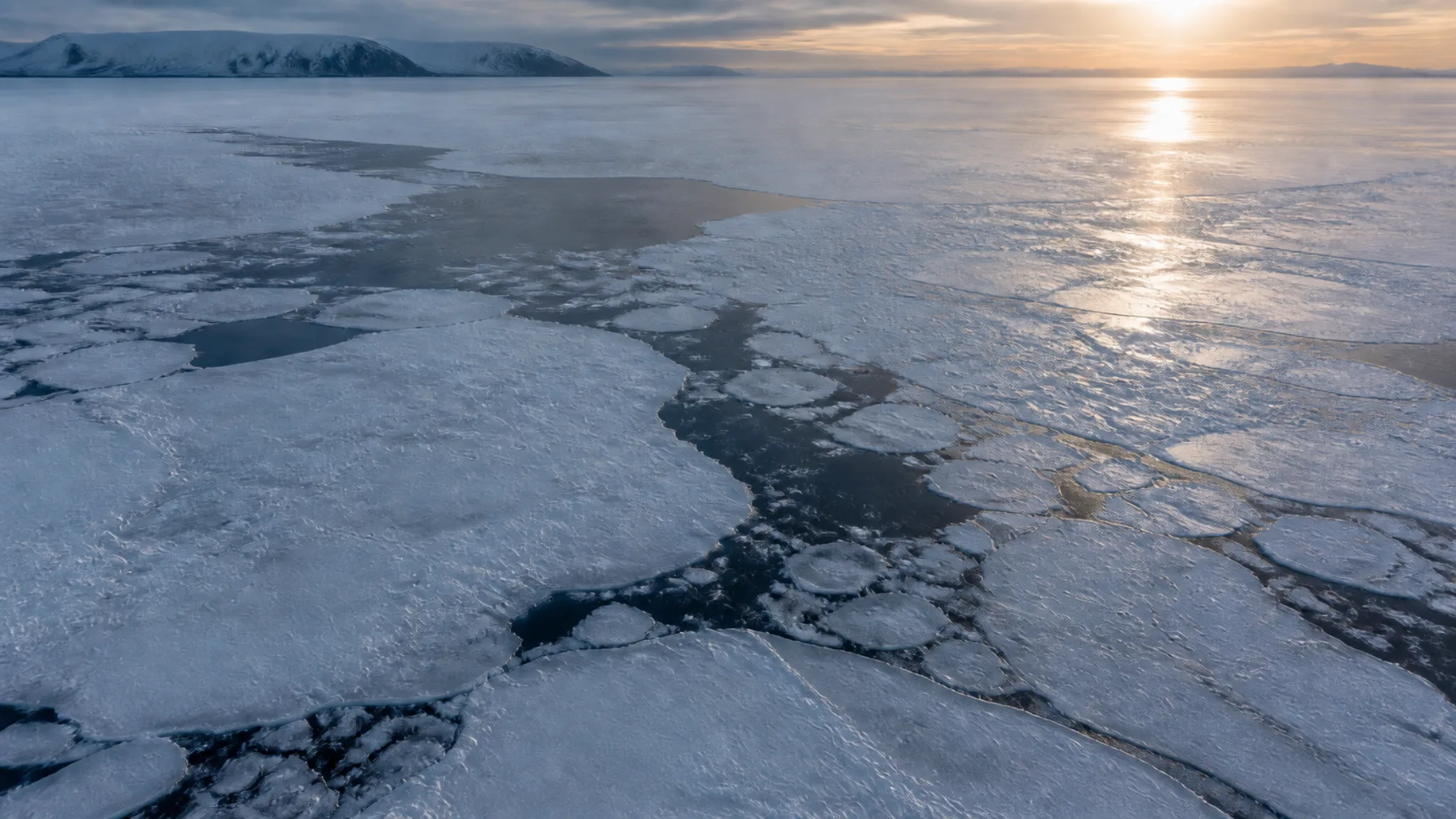
Oblique aerial view of coastal sea ice crossed by dark leads under low winter sunlight.

What the 2025 record says

These observations come from the NOAA Arctic Report Card, not from Still North fieldwork.

Read the evidence and its limits

A warmer water year

The Arctic water year was the warmest since at least 1900, at 1.60°C above the 1991 to 2020 average.

A record-low winter maximum

March sea-ice extent reached the lowest maximum in the satellite record. September’s daily minimum was 4.60 million km².

Long-lived ice remains scarce

Ice older than four years has declined by more than 95% since the 1980s, changing the structure of the ice cover.

Our work

Five connected programmes, each explicit about sources, methods, and uncertainty.

Latest field notes and everyday practice

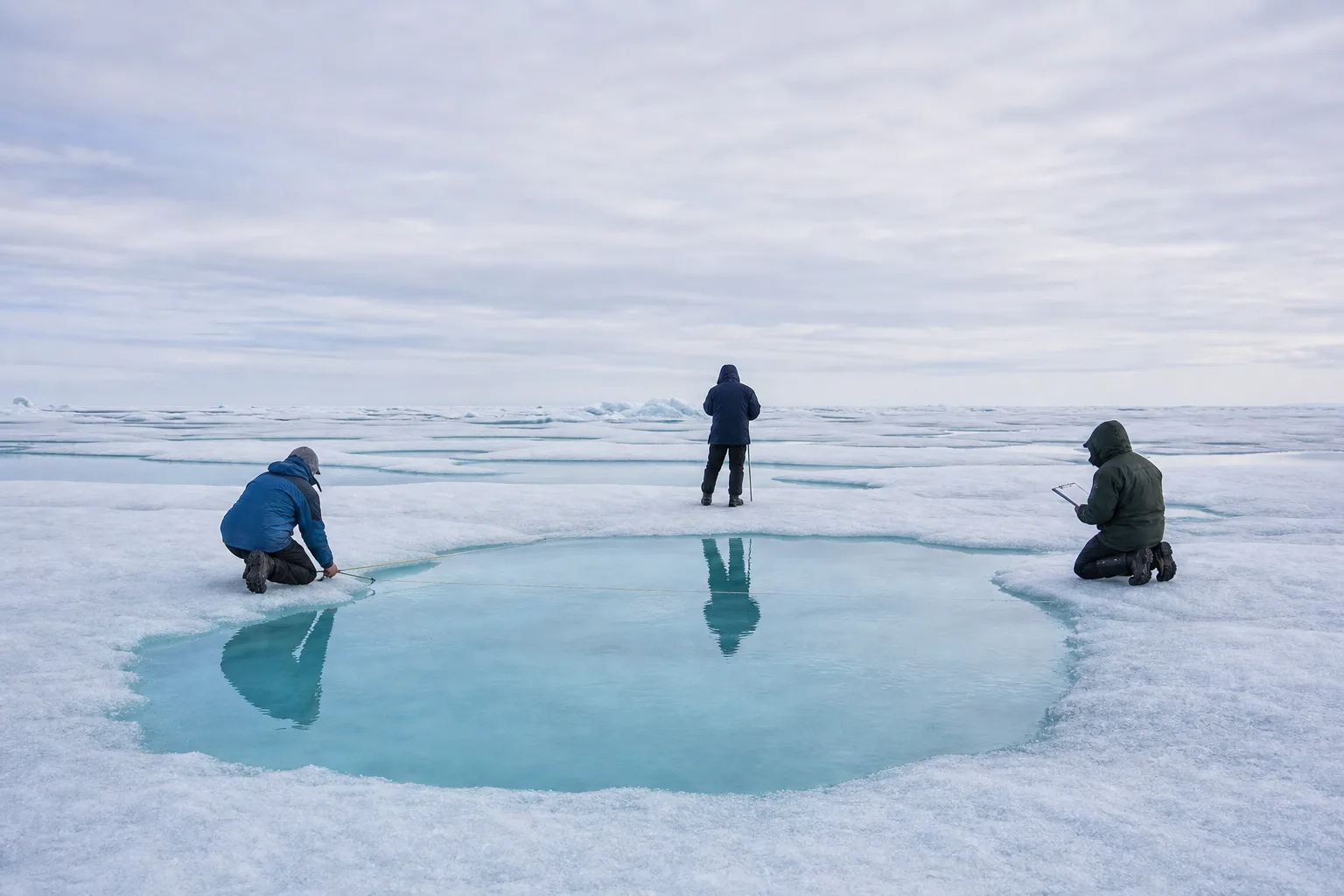
Three distant researchers measure a melt pond on sea ice.
Distant researchers measure a melt pond. The image is generated and illustrative, not a record of real Still North fieldwork.

Observation is a relationship

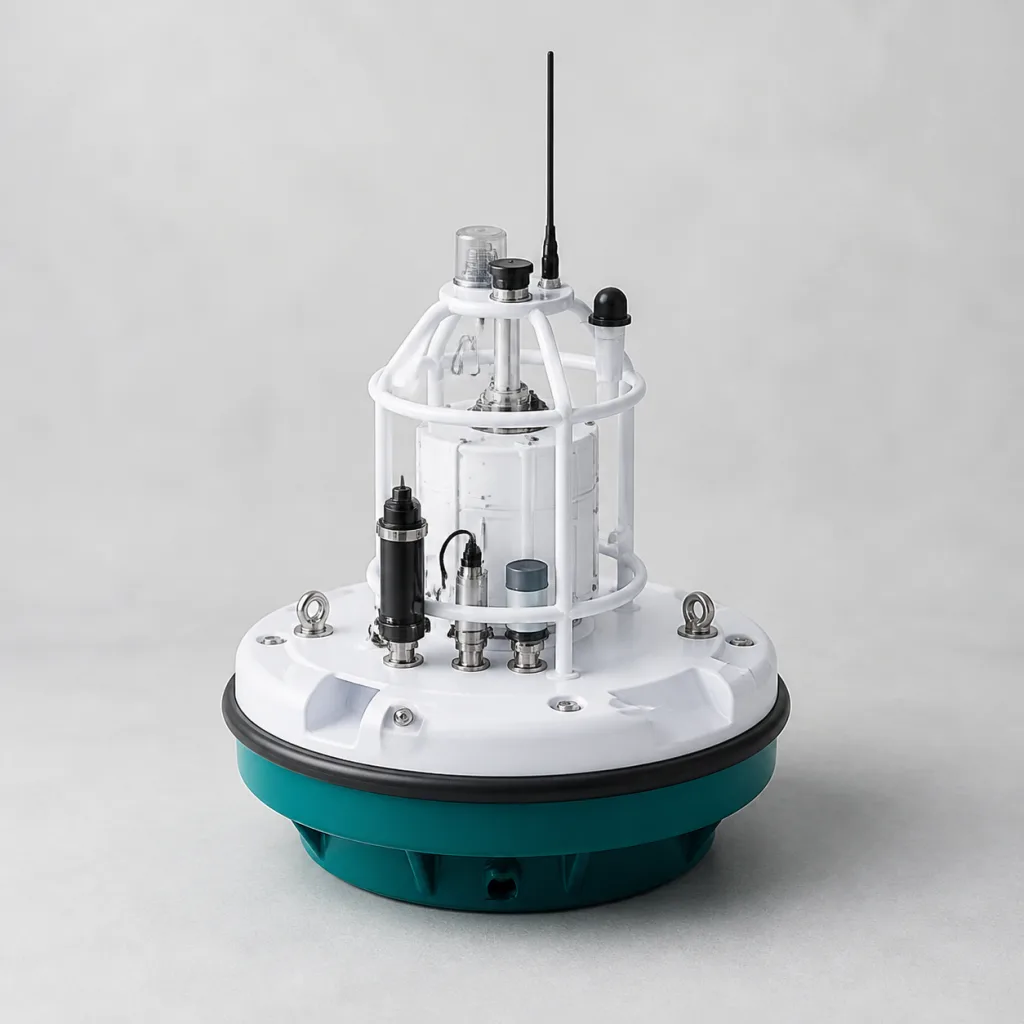
A useful record depends on people, methods, instruments, maintenance, and decisions about access. The fictional Still North programme pages show how those parts fit together, while the linked primary sources carry the factual claims.
See the sources, methods, and image disclosure.

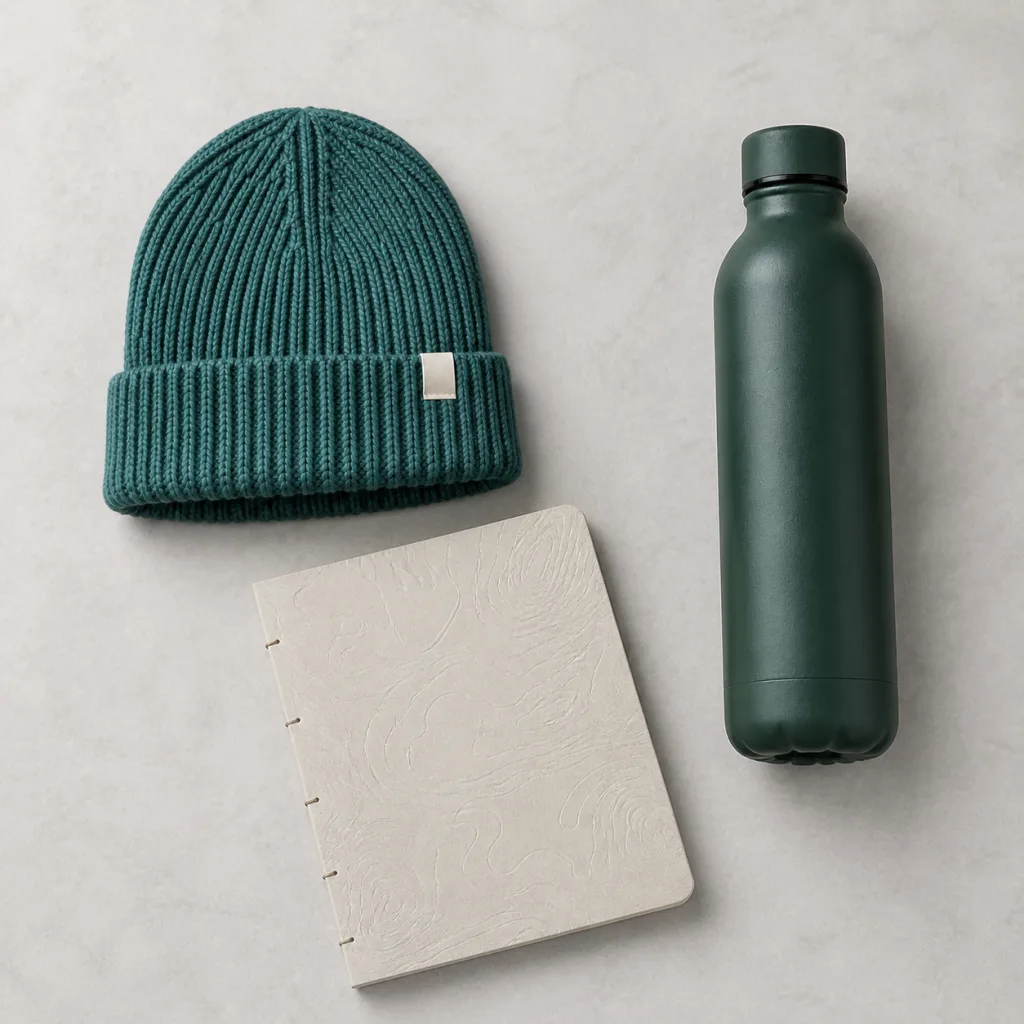
Selected field goods

Browse the shop

Use evidence without waiting for certainty

Explore the sources, choose one practical step, and support decisions that match the scale of the problem.