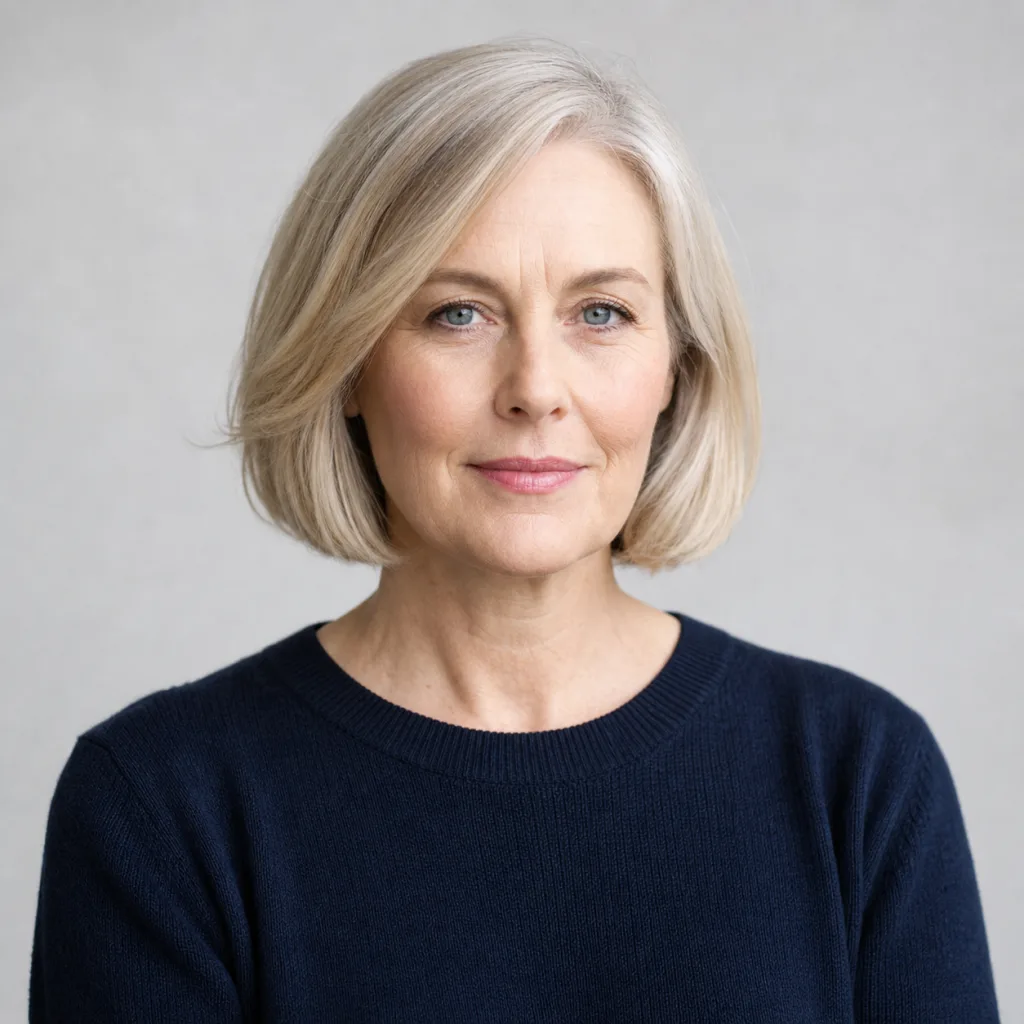
Ingrid keeps long-term observation, public usefulness, and institutional care in the same frame. She asks what a programme must protect now so that evidence remains credible and available decades from today.
Her role joins scientific strategy with the less visible work of governance. Ingrid is interested in institutions that can carry knowledge across election cycles, funding changes, and staff transitions. She makes room for disagreement, expects decisions to show their evidence, and treats maintenance as part of ambition rather than an administrative afterthought.
Education
Ingrid holds a PhD in marine biogeochemistry from the University of Copenhagen and a Master of Public Administration from the Hertie School. That combination shaped her interest in both the chemistry of changing seas and the public systems that decide how observations are funded, shared, and used.
Experience
Before taking this fictional director role, she coordinated multinational Arctic observation programmes. The work required patient agreements among field teams, laboratories, public agencies, and communities with different timelines and responsibilities. She learned that continuity depends on clear ownership, realistic budgets, durable metadata, and an honest account of what a programme cannot promise.
Current focus
Her present focus is durable institutional design. She looks for ways to protect long records, support consent-based partnerships, and keep evidence legible outside specialist circles. A good decision, in her view, names its source, its uncertainty, its review date, and the people who remain responsible after attention moves elsewhere.
Beyond work
Ingrid restores wooden skis by hand and swims throughout the year. Both habits reward preparation, respect for conditions, and an ability to stop before confidence becomes carelessness. She also keeps a small shelf of field manuals whose pencilled corrections tell as much as their printed instructions.