Everyday Impact
-
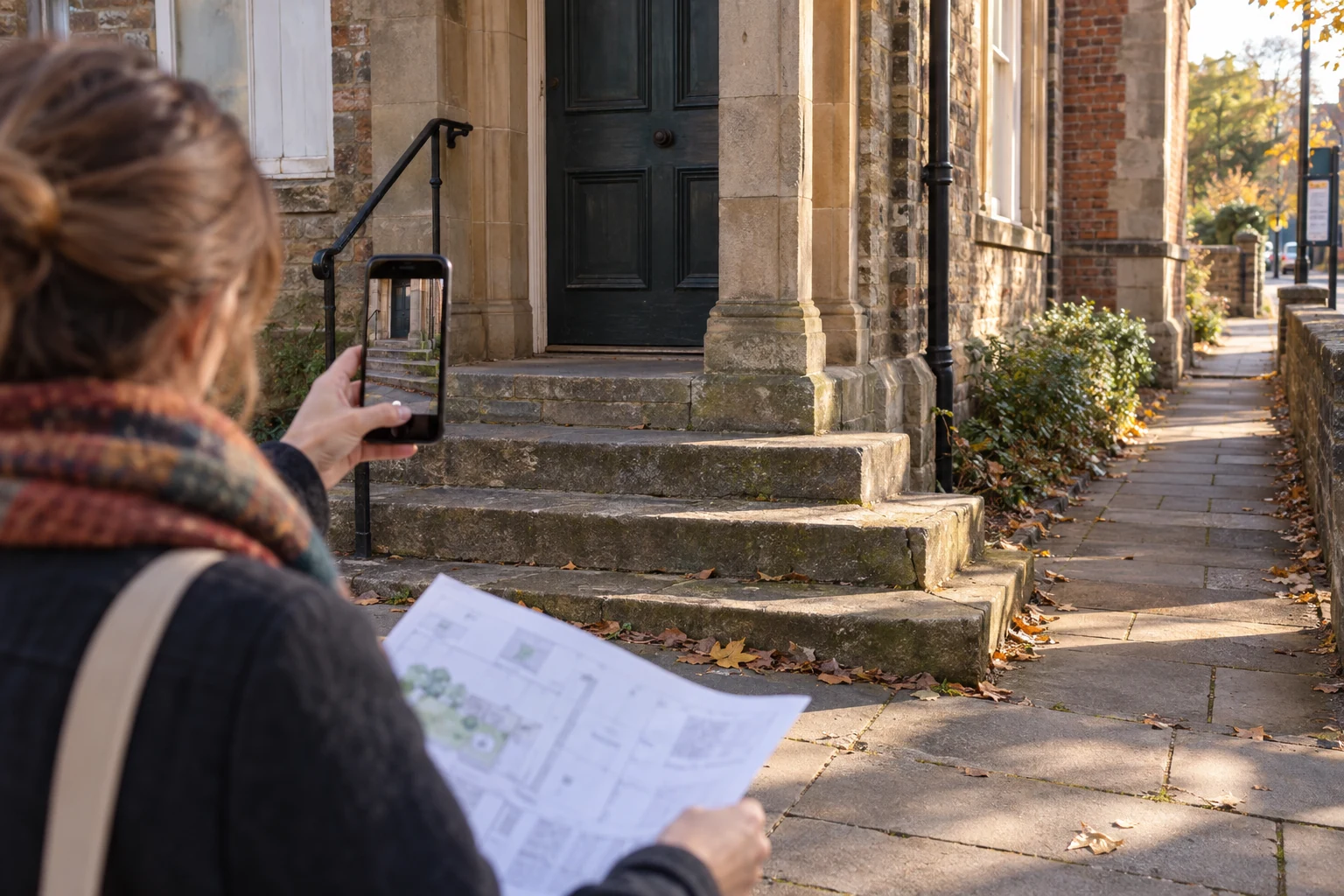
A consultation response someone can act on
Find the decision still open, connect local experience to the relevant proposal, request a specific change, and keep the question in the decision record.
-

Keep the question small when you disagree
Separate observations, causes, uncertainty, and policy choices so that a difficult climate discussion can return to a claim the evidence can answer.
-
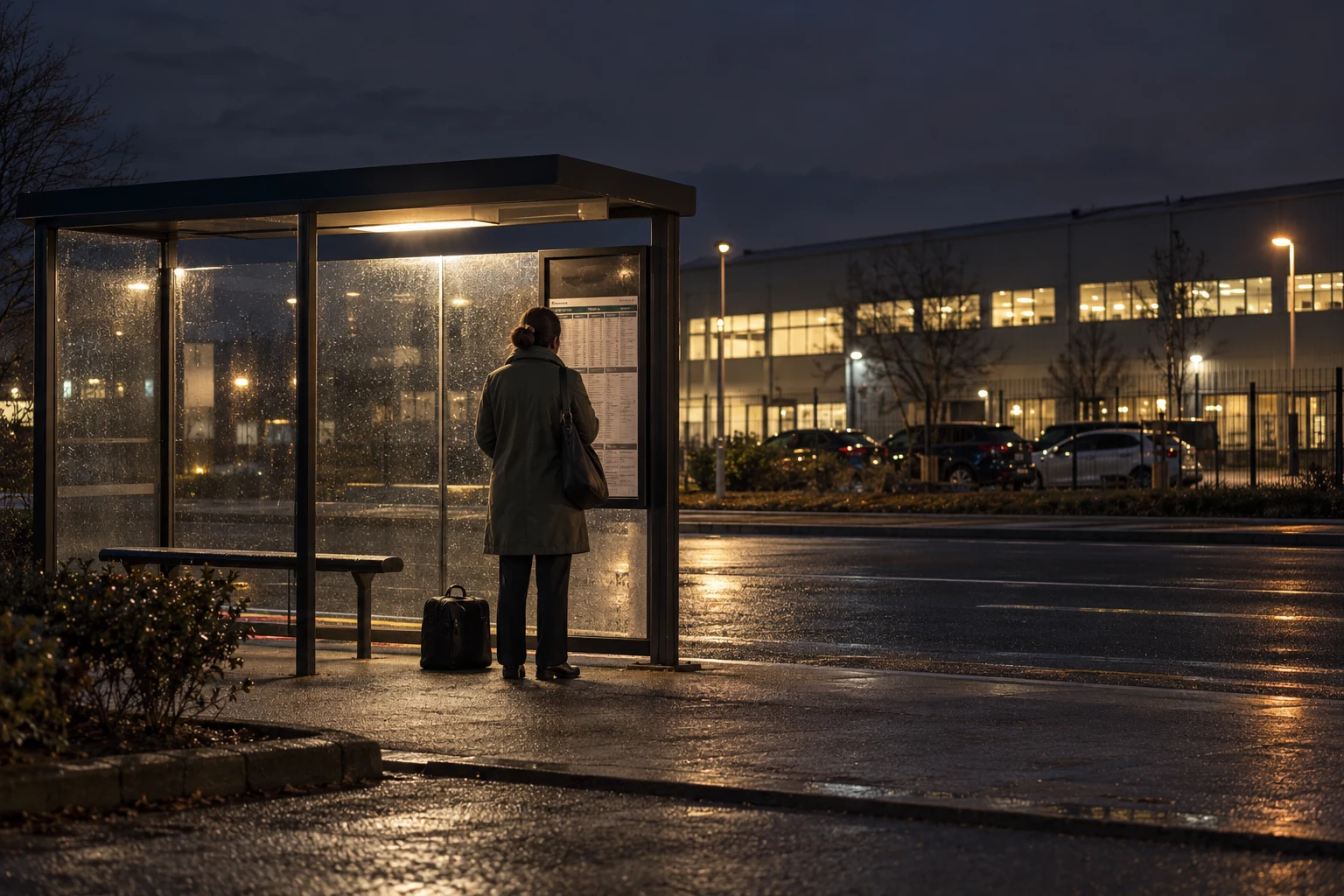
Why the default is not a personal choice
Follow a late journey home to see how schedules, infrastructure, and workplace rules determine which lower-impact choices are genuinely available.
-
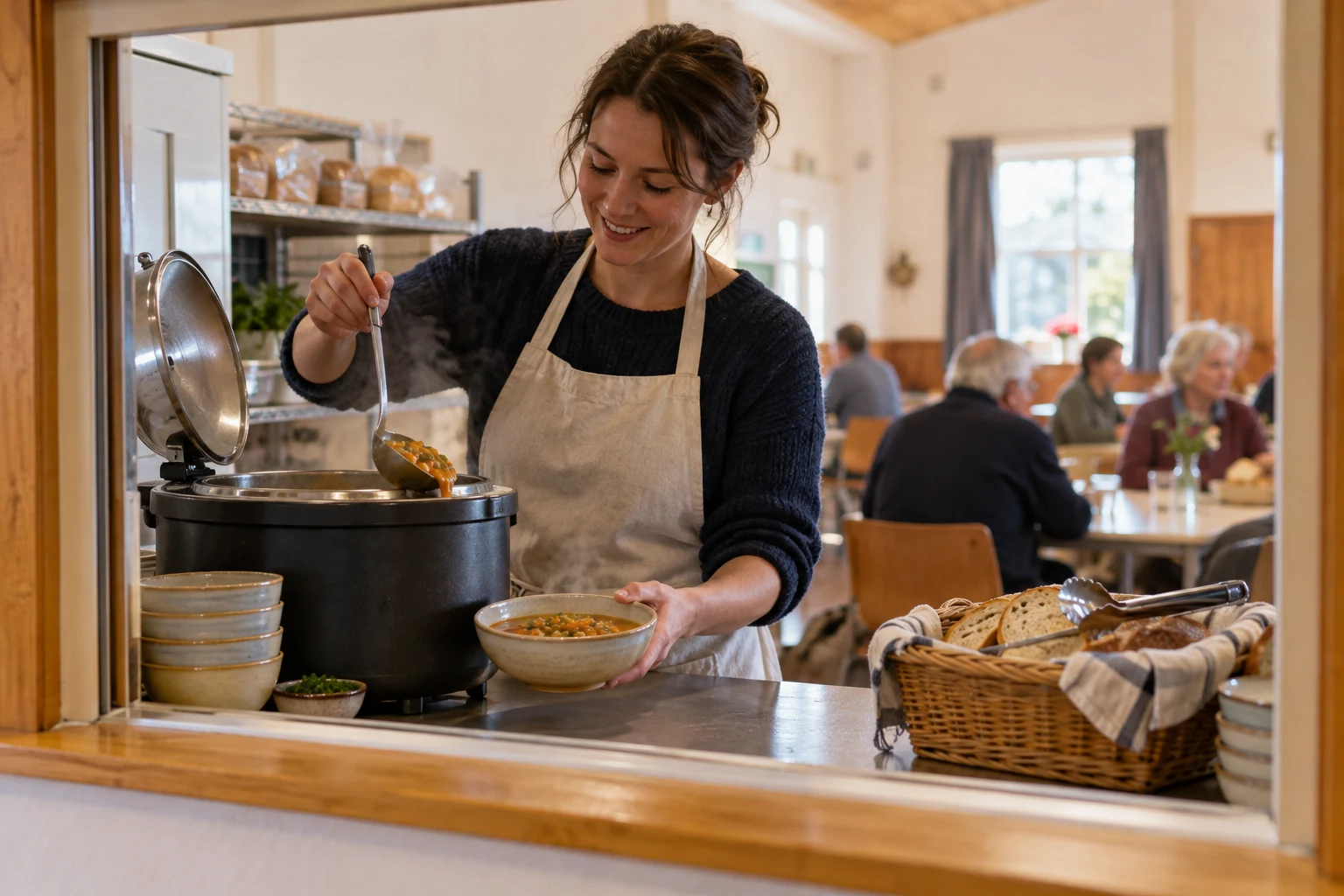
Enough food for the room
Plan community catering around attendance uncertainty, appetite, allergens, safe reserves, and a realistic end-of-event food and labour plan.
-

A carbon label is a question, not a verdict
Read the unit, life-cycle boundary, comparison, and evidence behind a product claim before asking a carbon number to settle the purchase.
-

Read the care label before laundry day
Washing limits, mechanical action, drying space, and shared care knowledge can keep garments useful without imposing an impossible laundry routine.
-
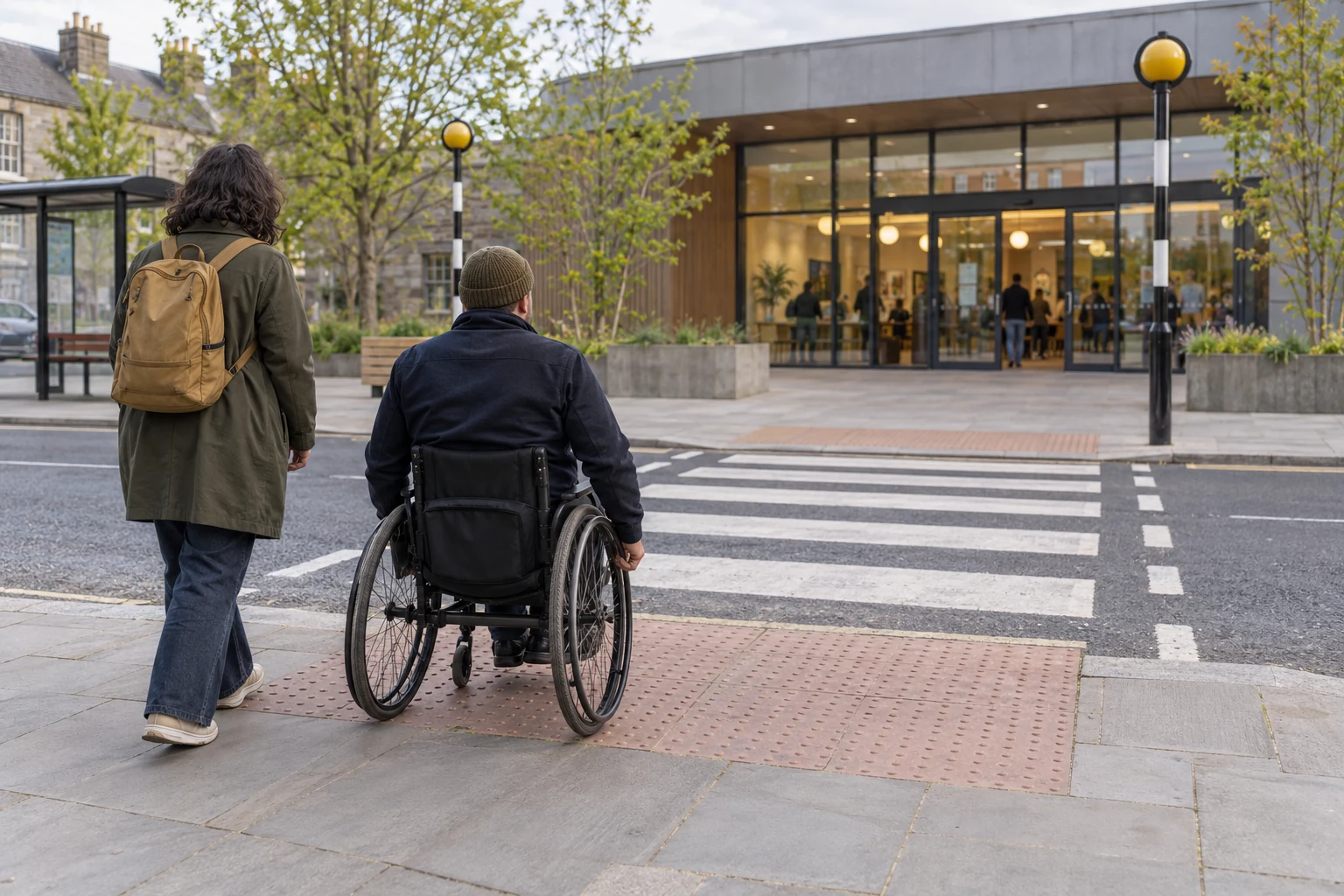
Plan the last mile before the invitation
Event organisers can make travel usable by checking arrival chains, return services, access information, programme timing, and support budgets early.
-

Asking for a warmer building together
Bring recurring heating reports into a collective request while protecting privacy, preserving urgent repair routes, and naming building responsibilities.
-
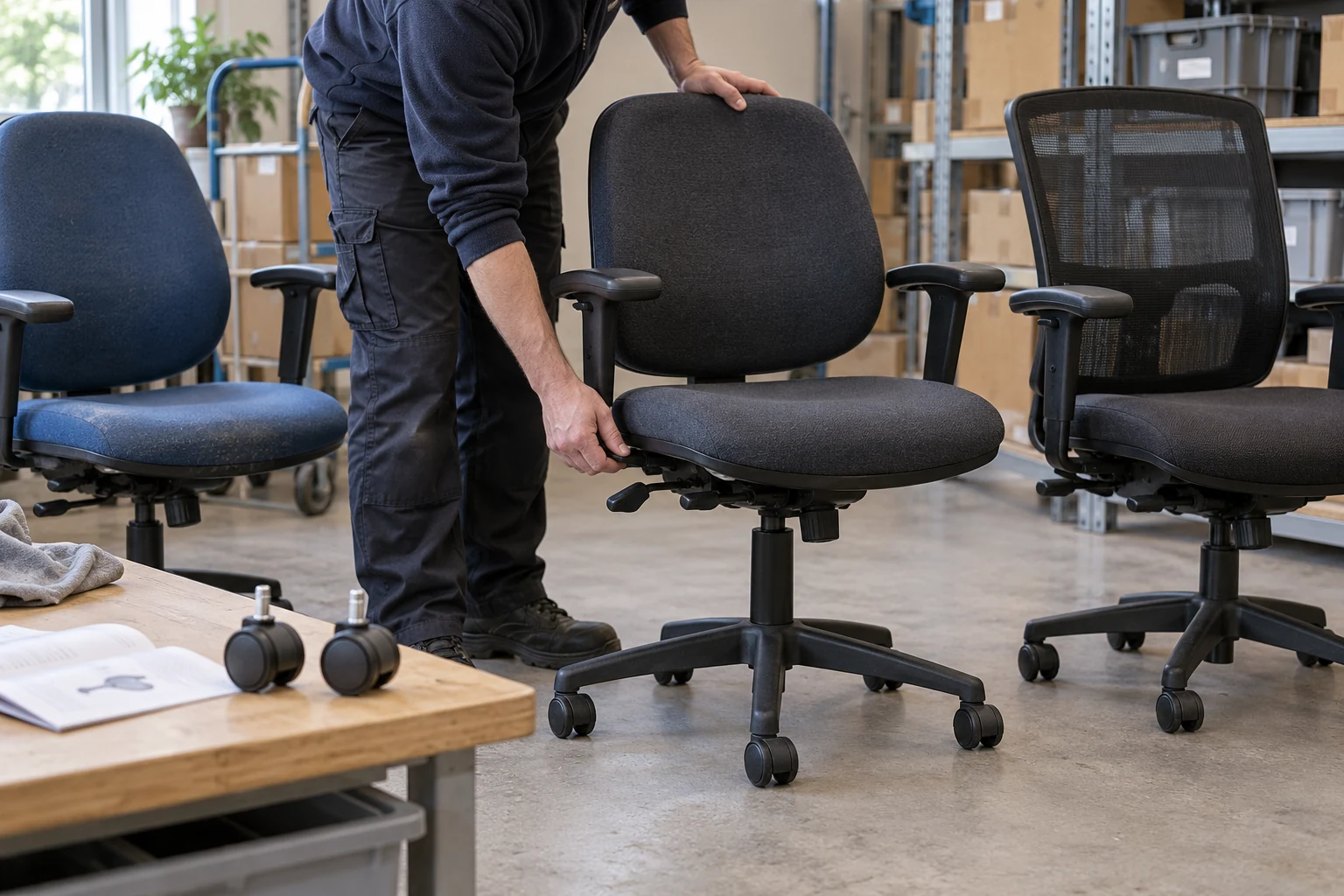
The office chair before the order form
Use a real workplace order to connect accessibility, existing stock, supplier evidence, whole-life costs, and responsibility after delivery.