Civic Action
-
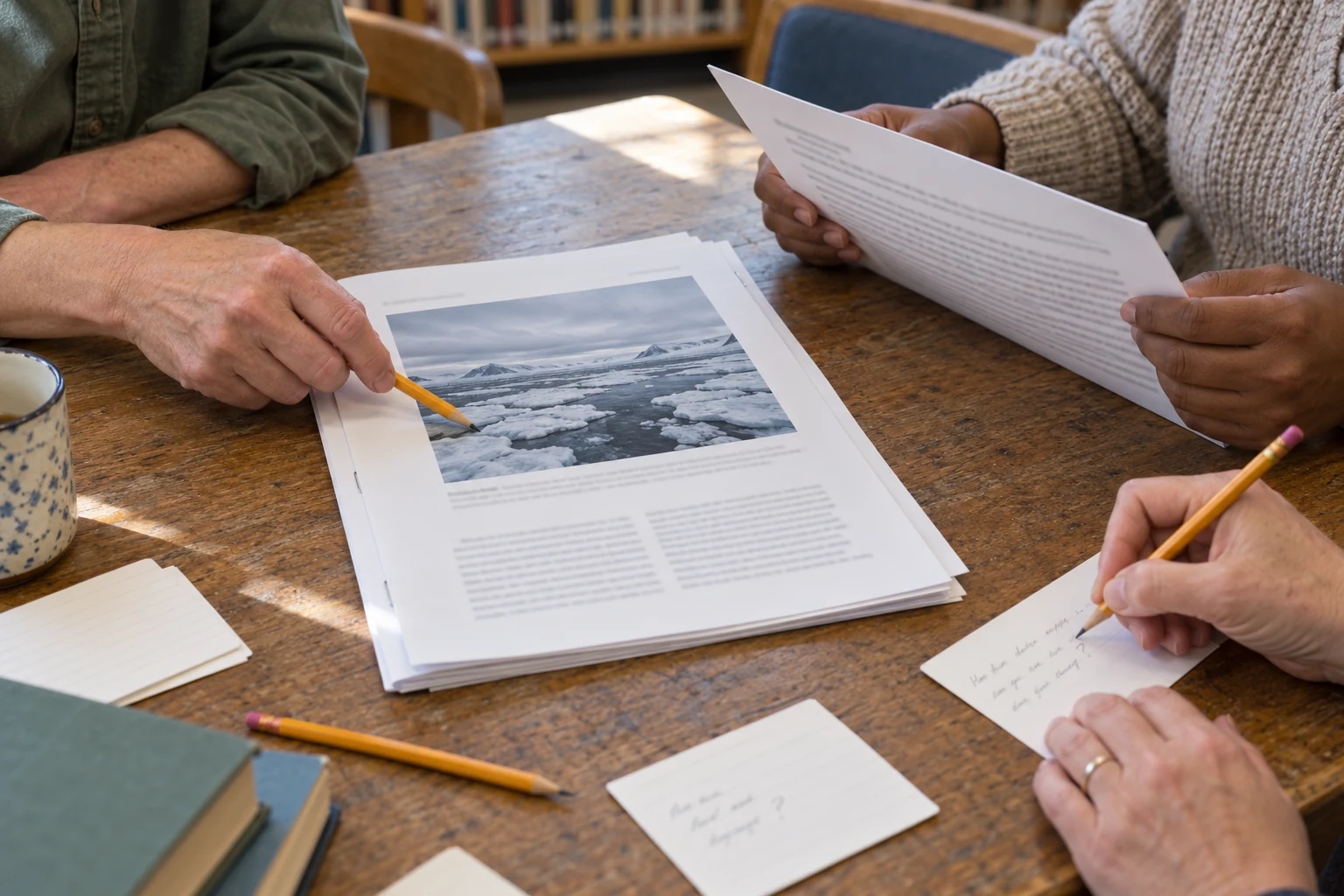
An evidence session with room for a better question
Design a school or community session around one source, a testable claim, accessible participation, and a traceable answer rather than a roomful of pledges.
-
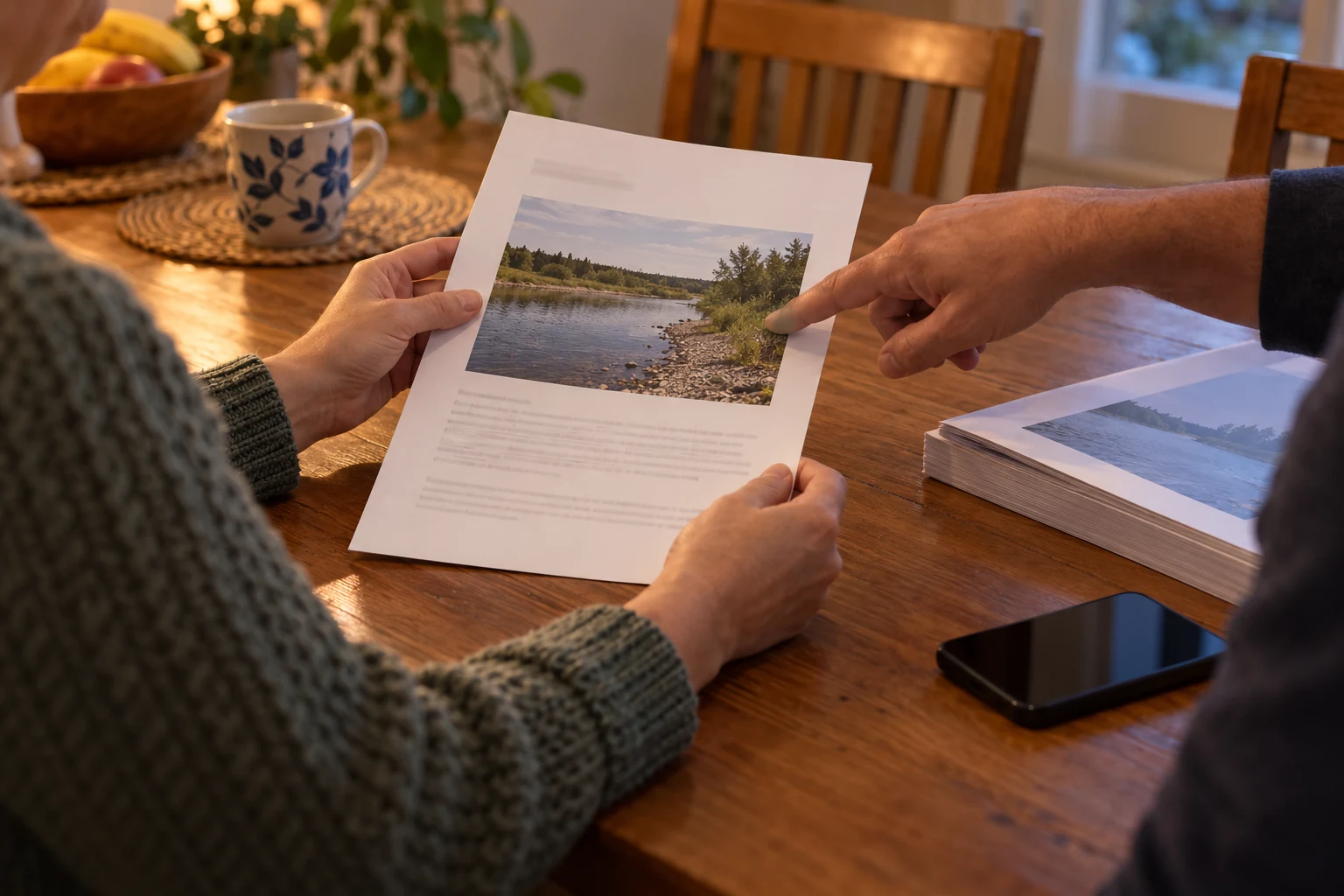
When results make the journey home
Return an understandable answer, not merely a download link: agree formats, protect privacy, explain charts, and leave a route for questions and corrections.
-

Open data, whose authority?
Reading the National Inuit Strategy on Research as connected commitments to governance, funding, capacity, and data authority, not a permission checklist.
-
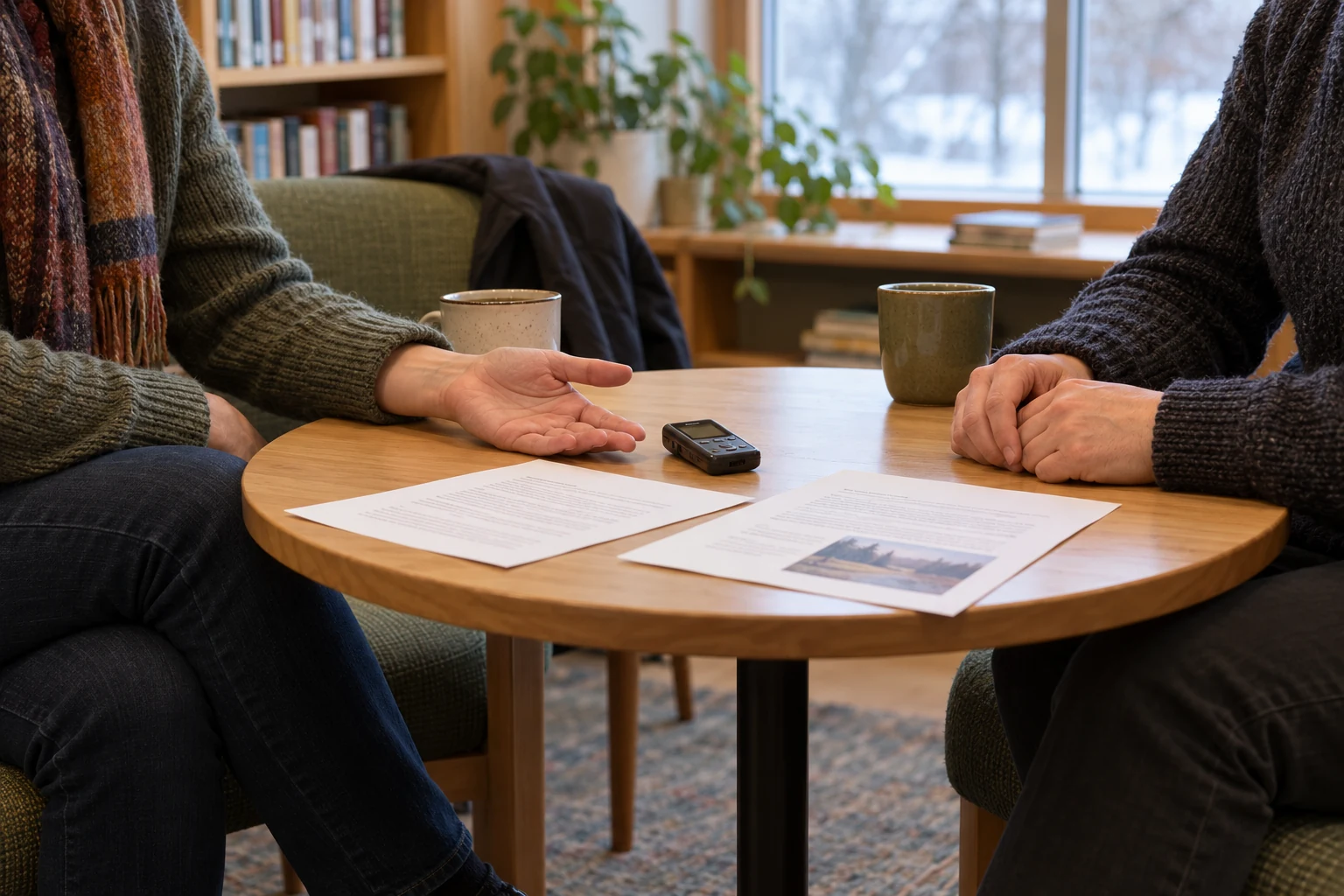
Consent is a conversation, not a form
Make refusal usable, separate individual consent from collective authority, and explain what happens when a research plan or permission changes.
-
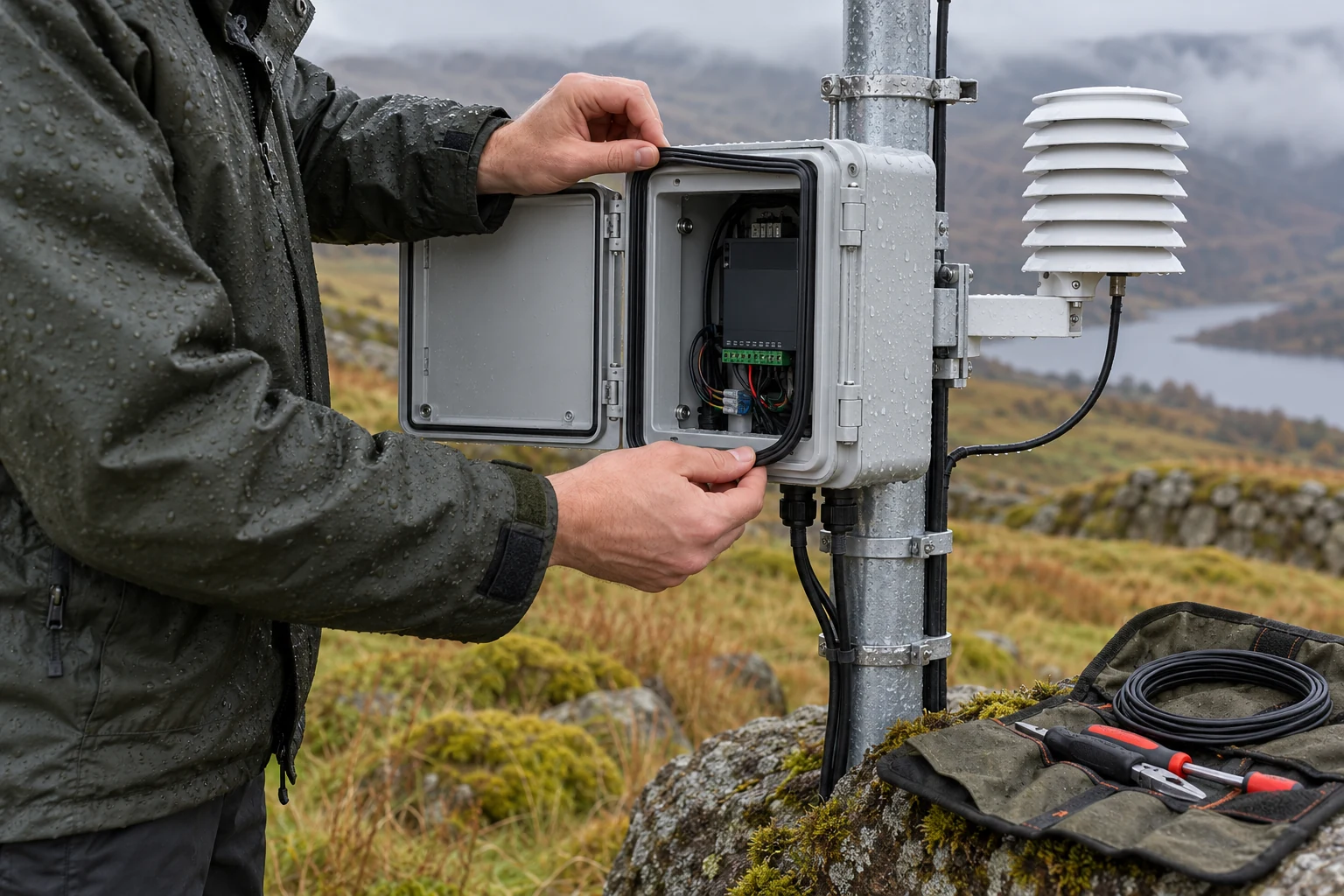
Maintenance is the next observation
A long record needs more than a new sensor. Budget for the second winter, skilled people, governed stewardship, and a responsible ending.
-
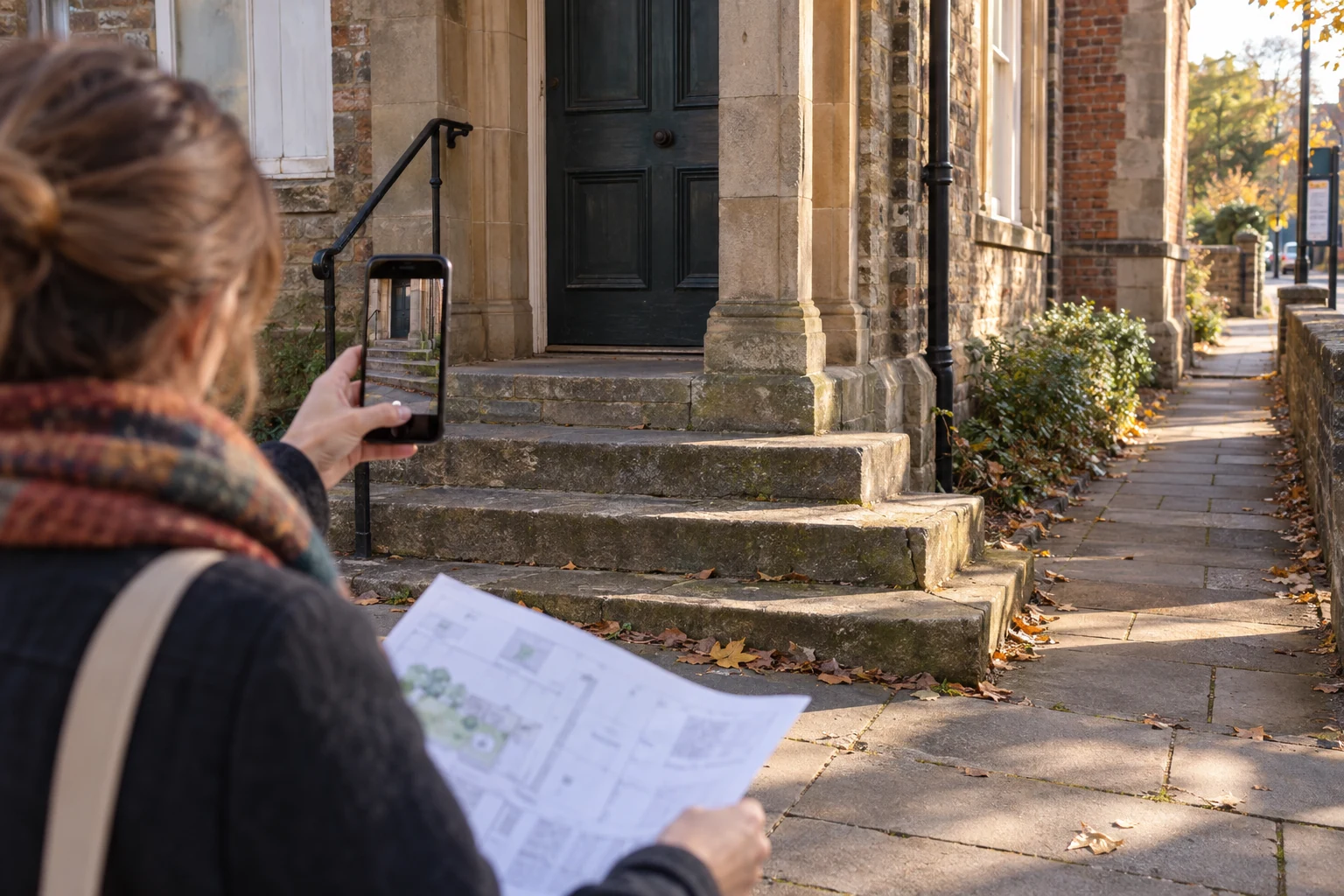
A consultation response someone can act on
Find the decision still open, connect local experience to the relevant proposal, request a specific change, and keep the question in the decision record.
-

Keep the question small when you disagree
Separate observations, causes, uncertainty, and policy choices so that a difficult climate discussion can return to a claim the evidence can answer.
-
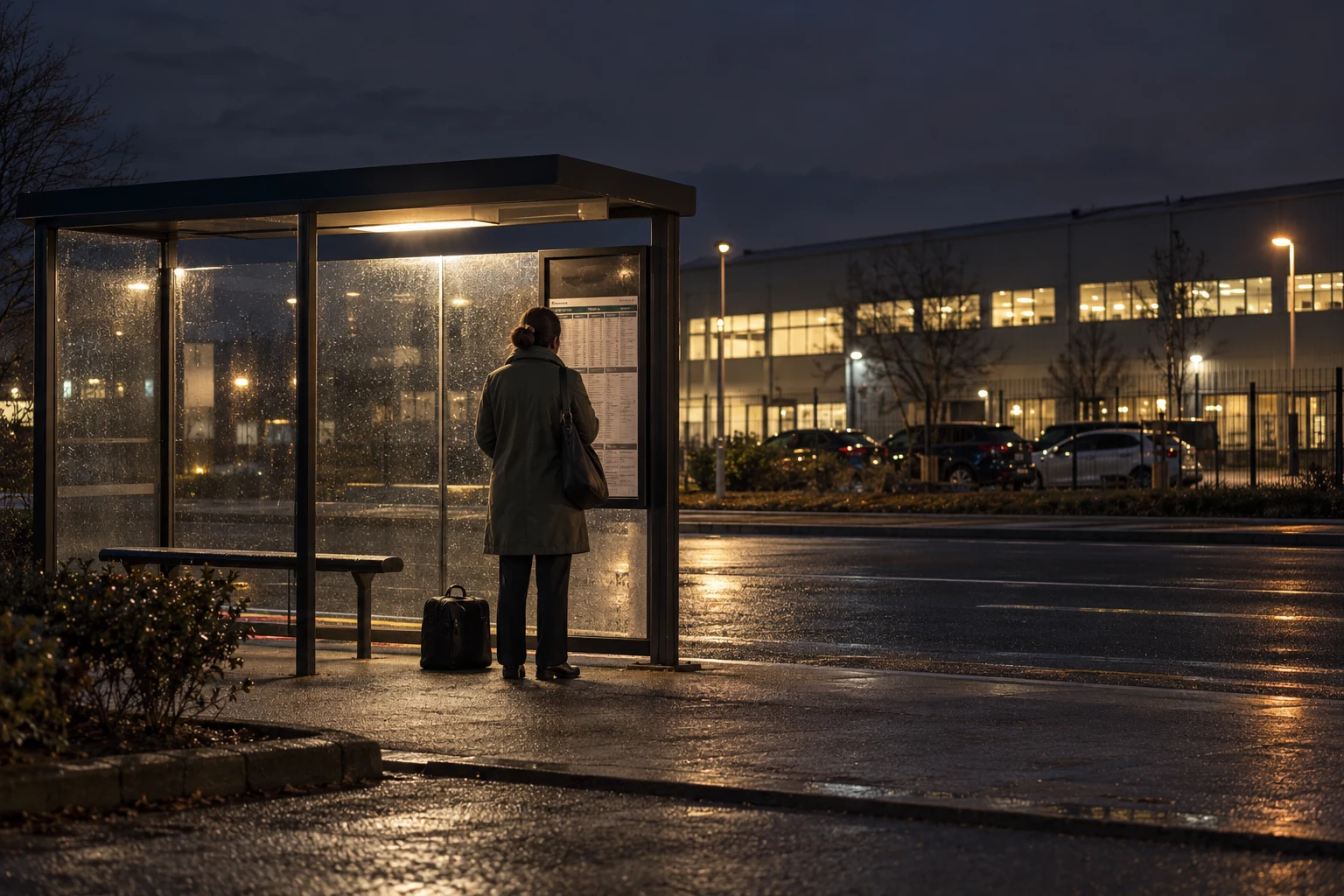
Why the default is not a personal choice
Follow a late journey home to see how schedules, infrastructure, and workplace rules determine which lower-impact choices are genuinely available.
-
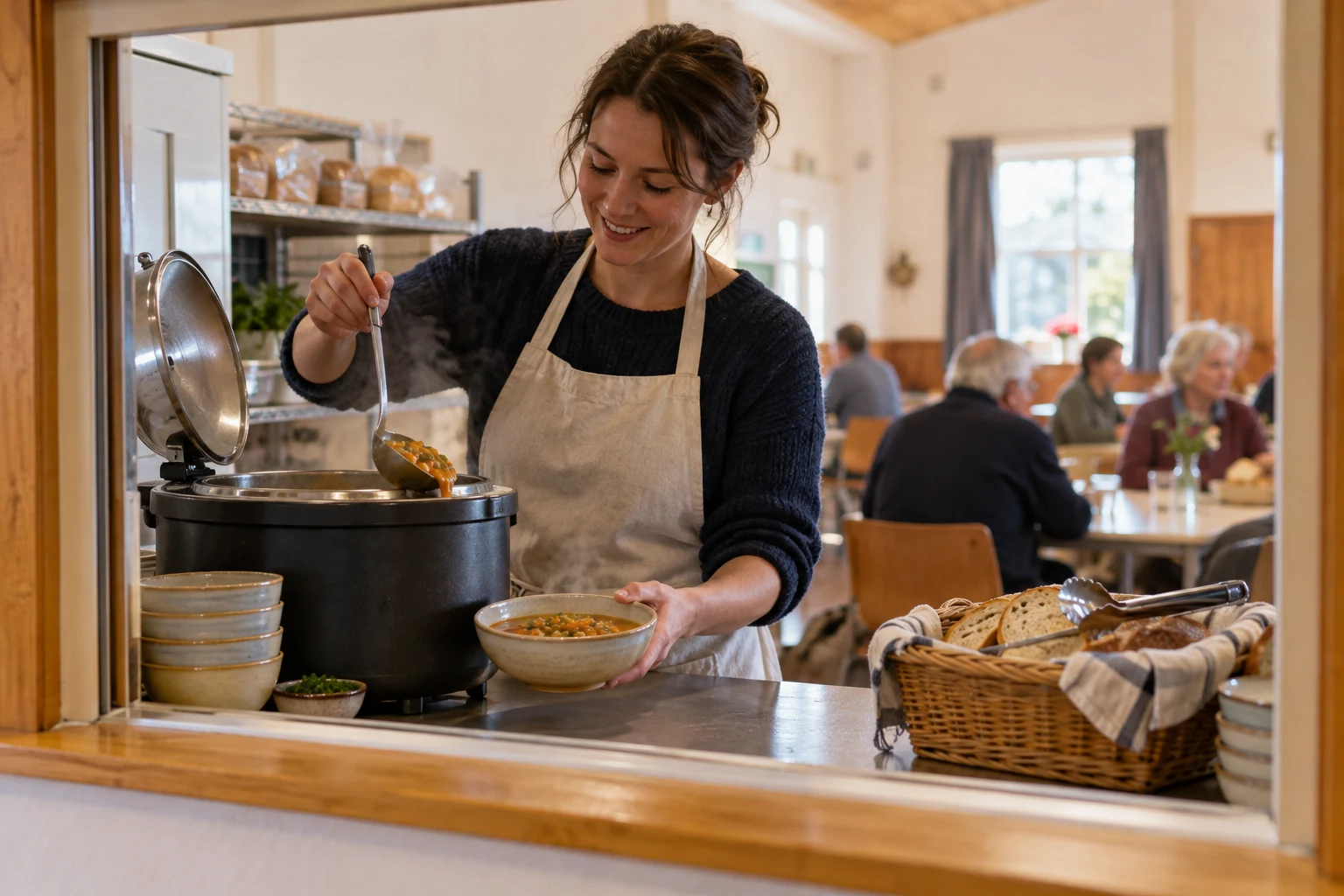
Enough food for the room
Plan community catering around attendance uncertainty, appetite, allergens, safe reserves, and a realistic end-of-event food and labour plan.