Open Data
-
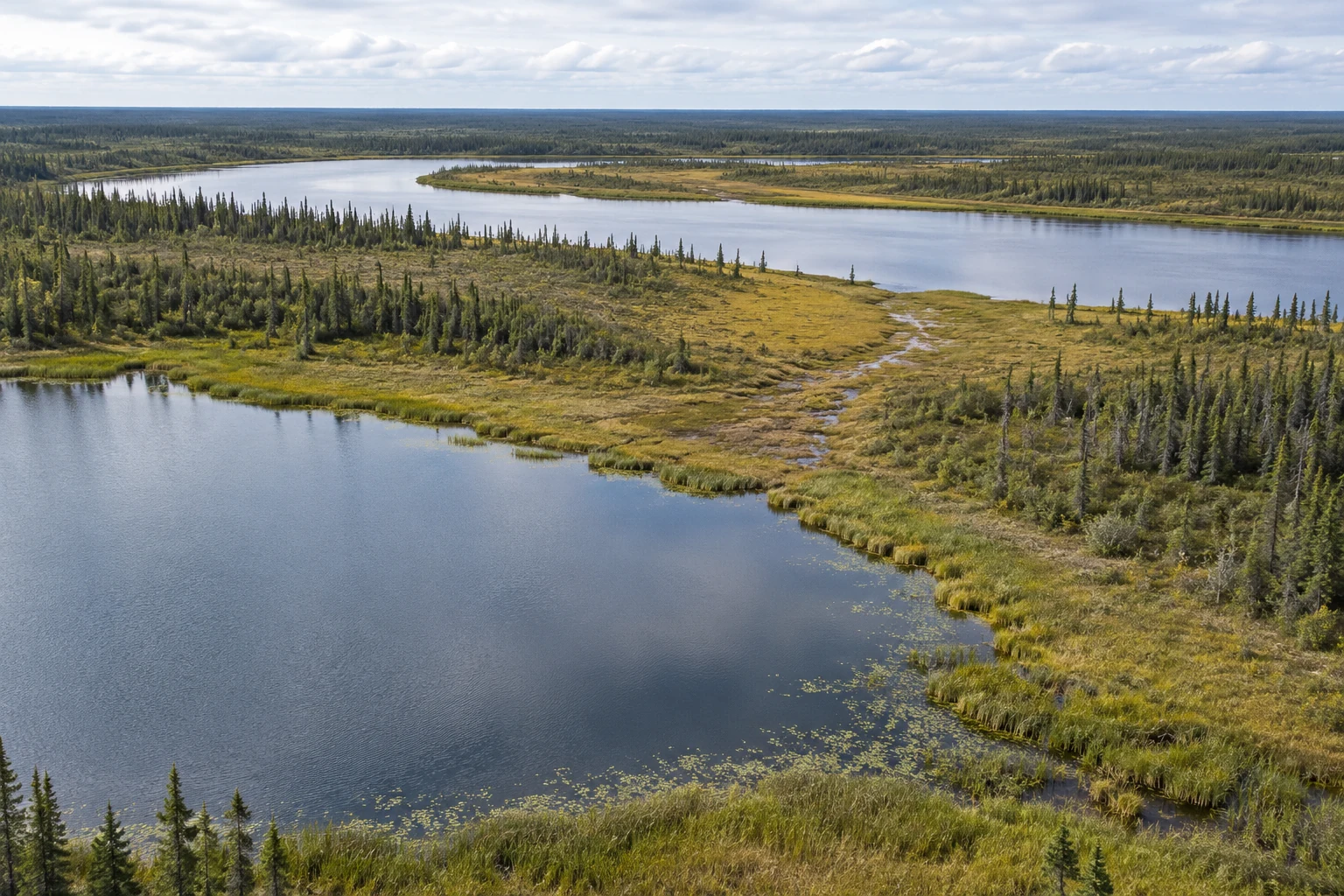
The lake with no visible outlet
Seasonal floods and hidden subsurface pathways connect northern waters. Yukon Flats research shows why a shrinking shoreline is not a complete diagnosis.
-
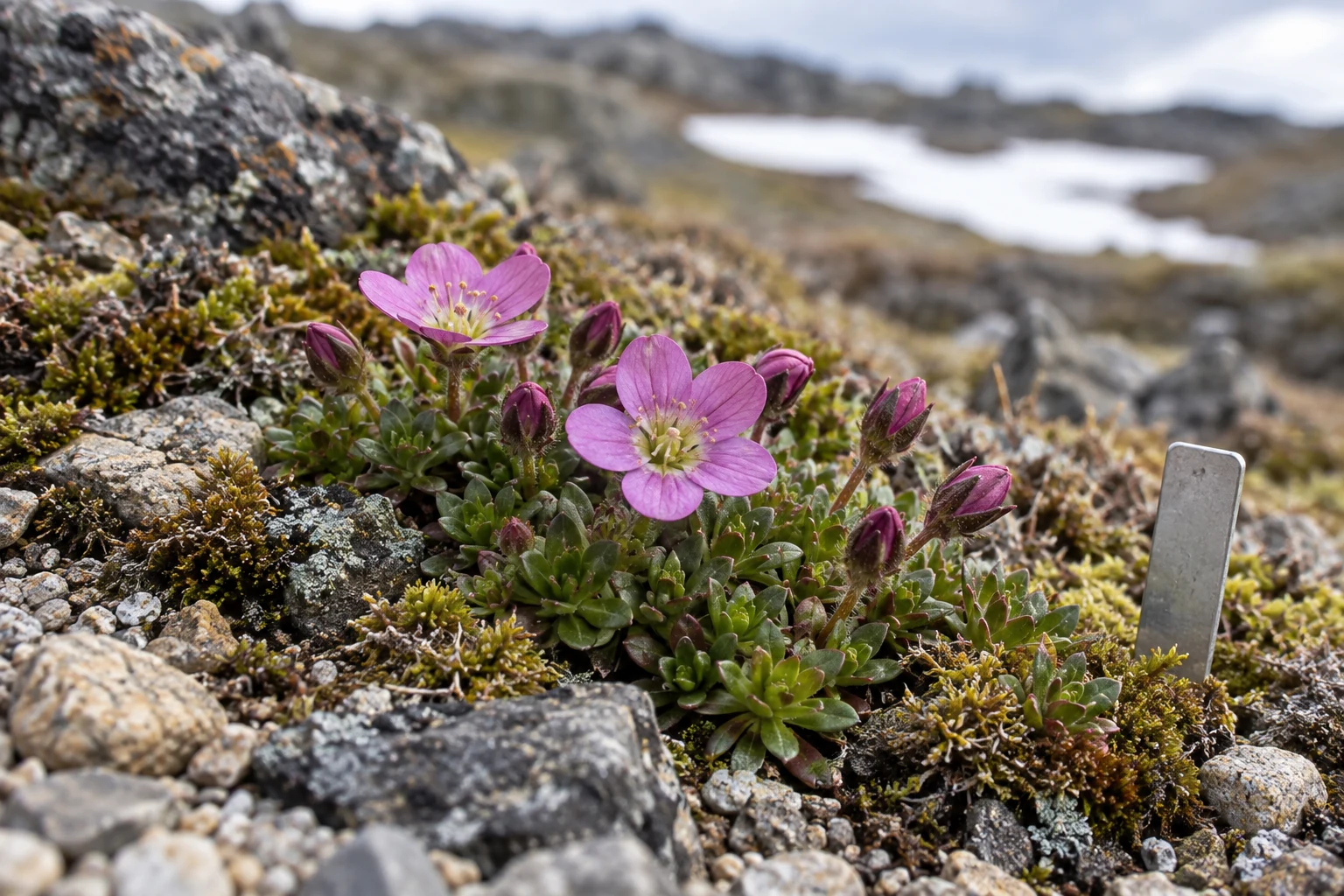
The first flower needs a previous visit
A first detection is not an exact onset date. Negative observations, visit intervals, and flowering intensity make phenology records more useful.
-
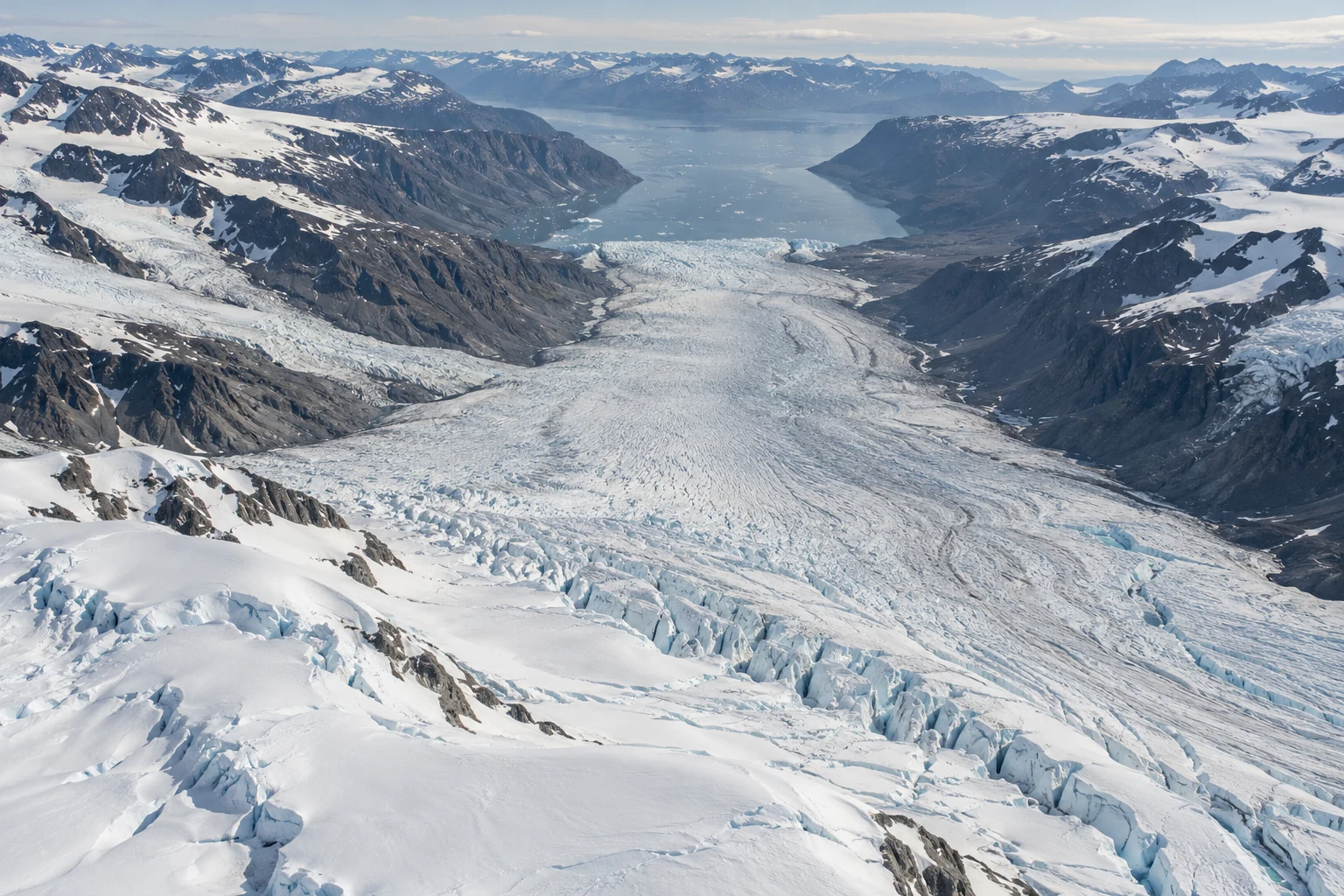
A glacier front is not a balance sheet
Why a glacier’s edge, speed, surface height, and total mass can tell different stories, with Greenland’s 2025 budget as a grounded example.
-
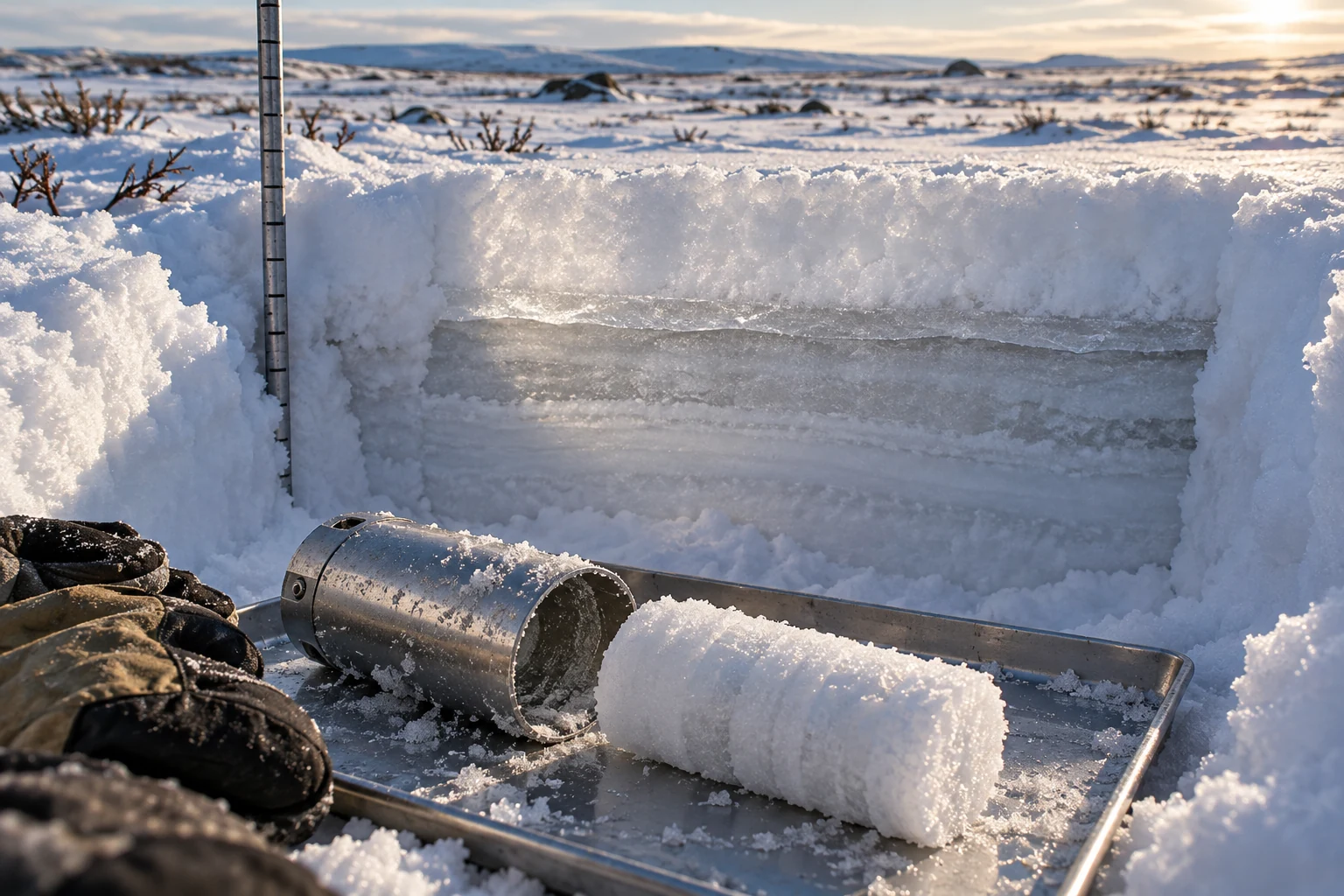
How much water is in that snow?
Equal snow depths can hold different amounts of water. Density, wind redistribution, and sampling purpose determine what a winter measurement means.
-
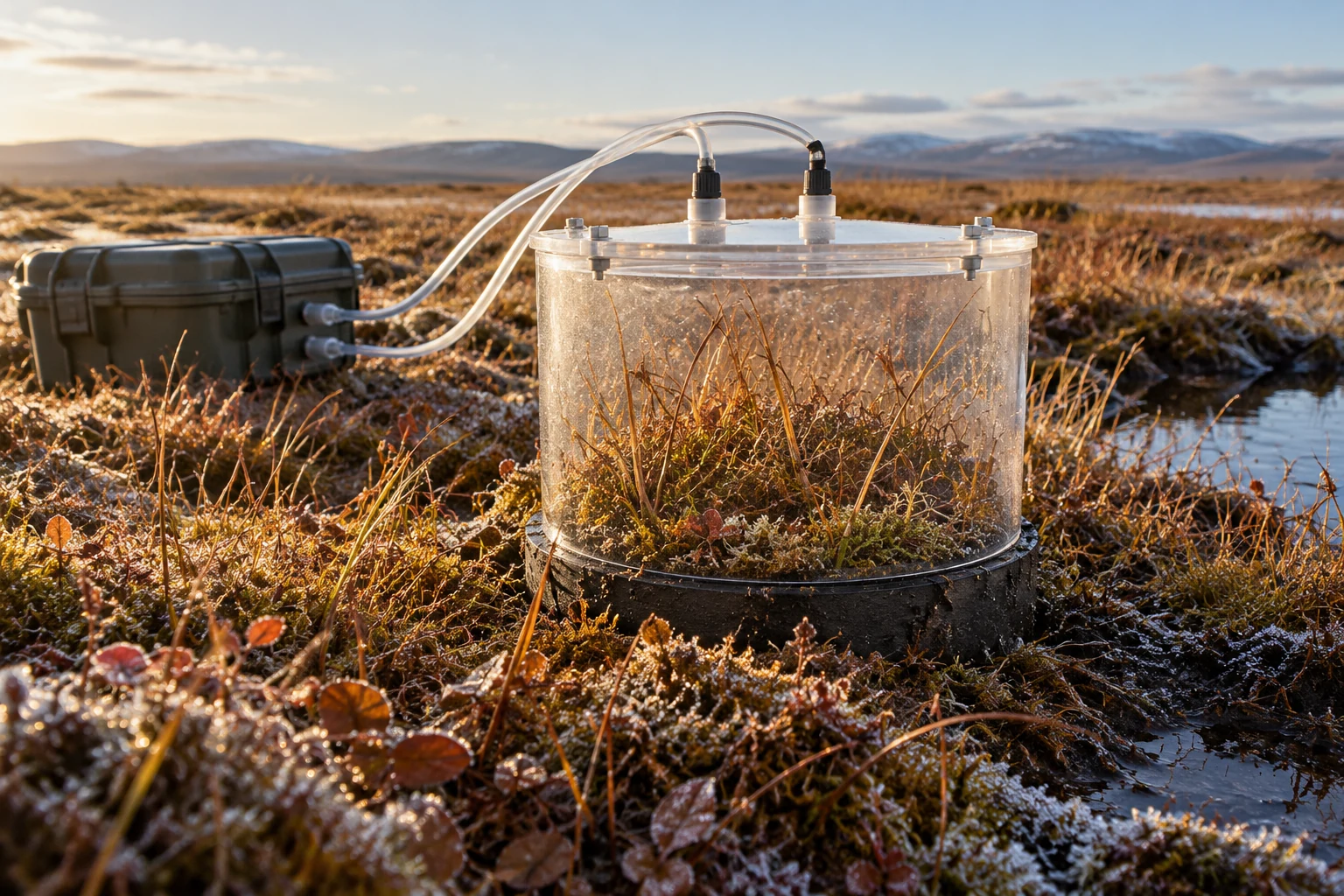
A carbon store is not an annual emission
How to read northern carbon stocks and fluxes without confusing stored material, summer uptake, winter respiration, and regional fire emissions.
-
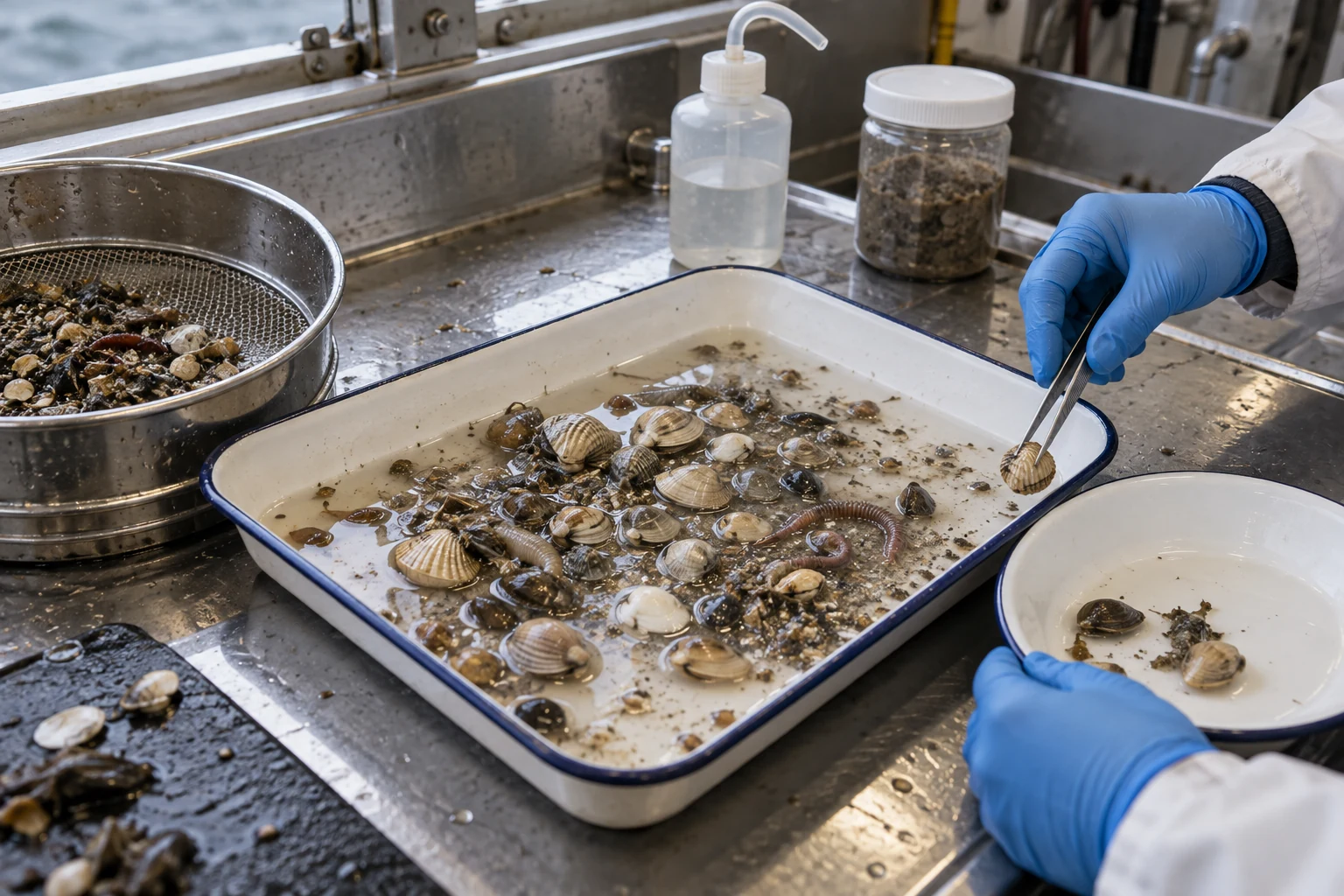
Testing a changing Arctic food web
A Bering and Chukchi Sea synthesis tests borealization against a different food-web mechanism. Mixed species responses, sampling gaps, and an exceptional first year sharpen the conclusion.
-
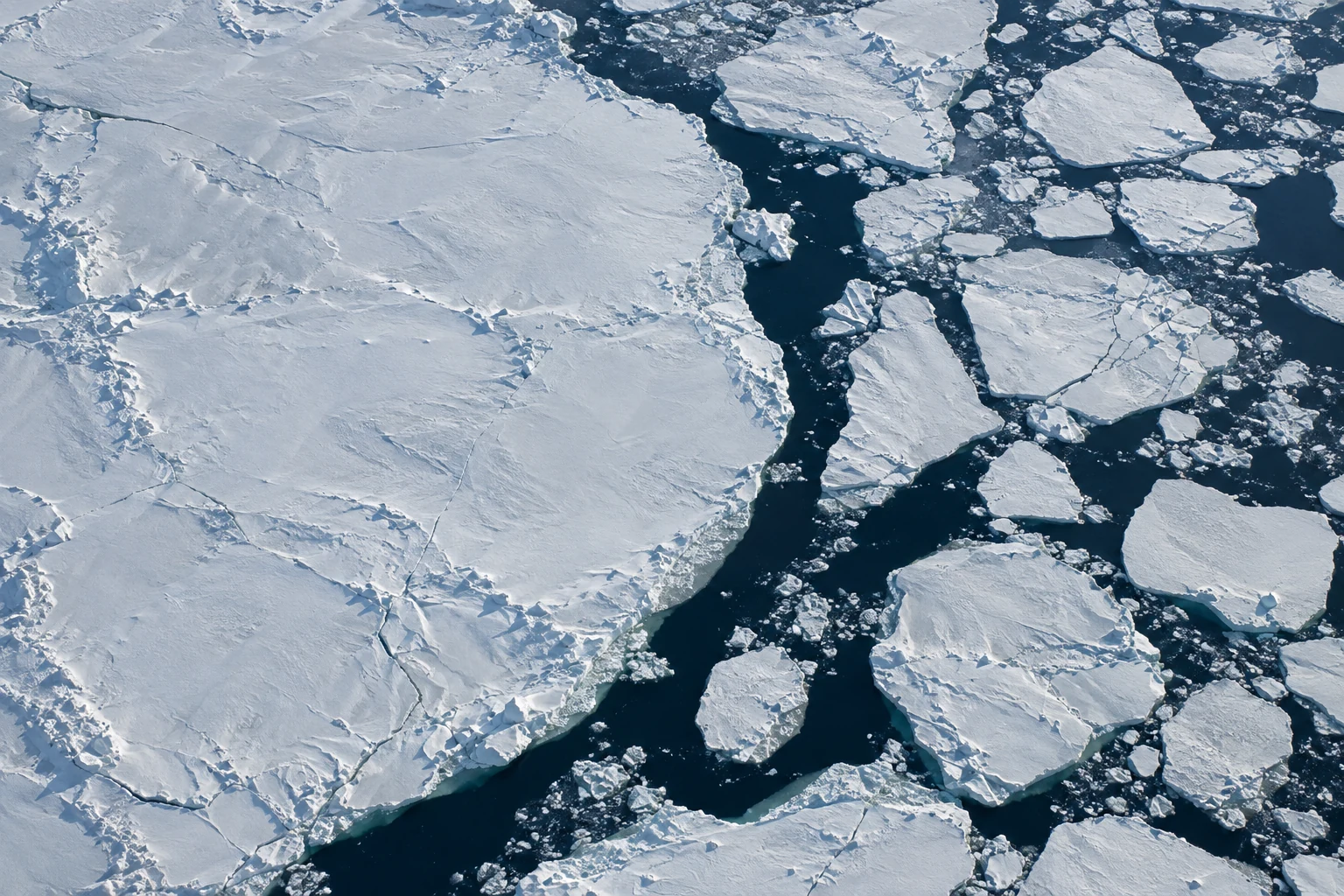
A sea-ice pixel is not a habitat map
Identical ice concentrations can conceal different floes, openings, and feeding opportunities. Habitat interpretation needs geometry, seabed context, compatible dates, and evidence of what animals actually use.
-
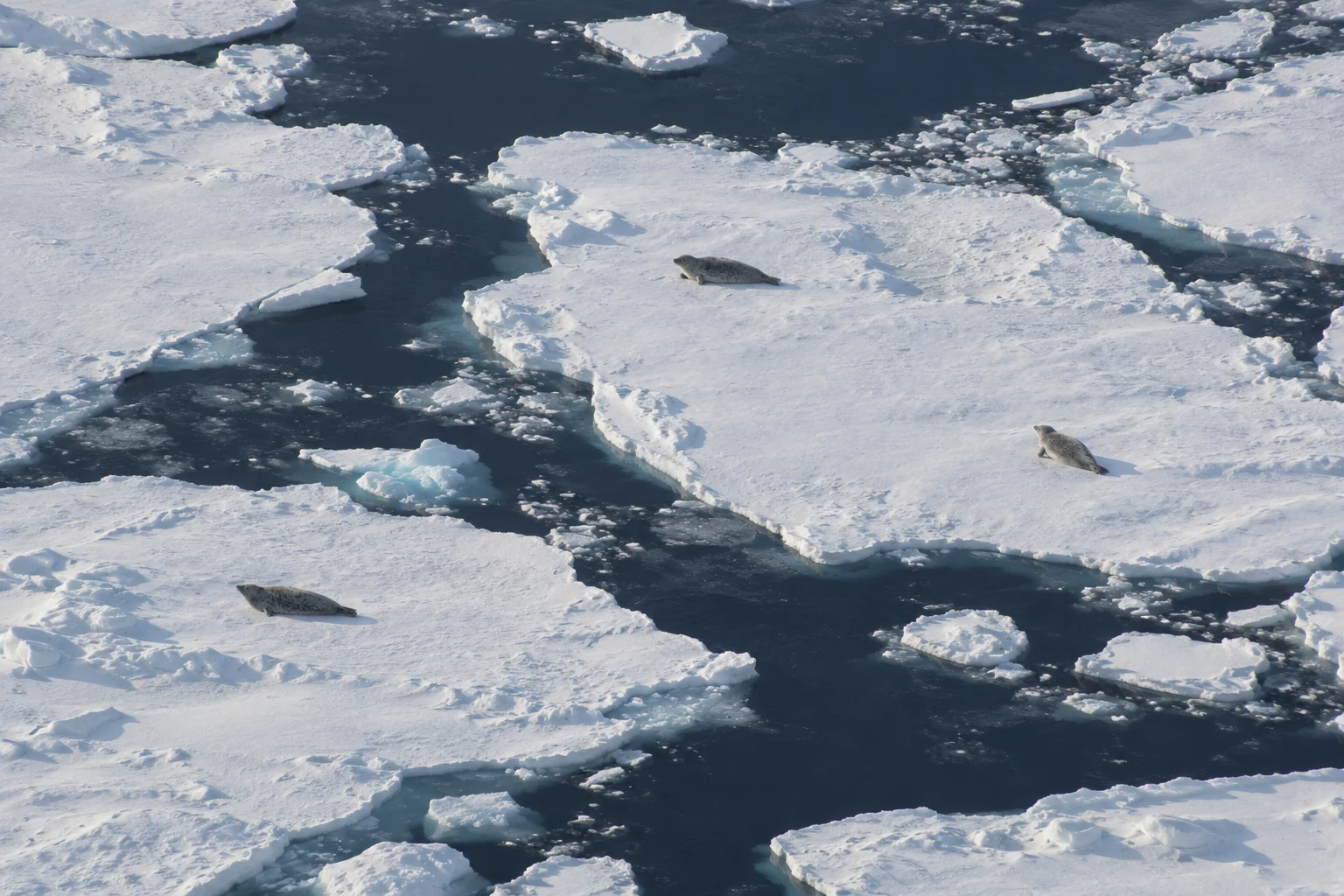
Counting the seals you cannot see
Aerial counts miss seals in water and snow lairs. Haul-out research shows how availability, visibility, survey conditions, and sampling determine what a population estimate can mean.
-
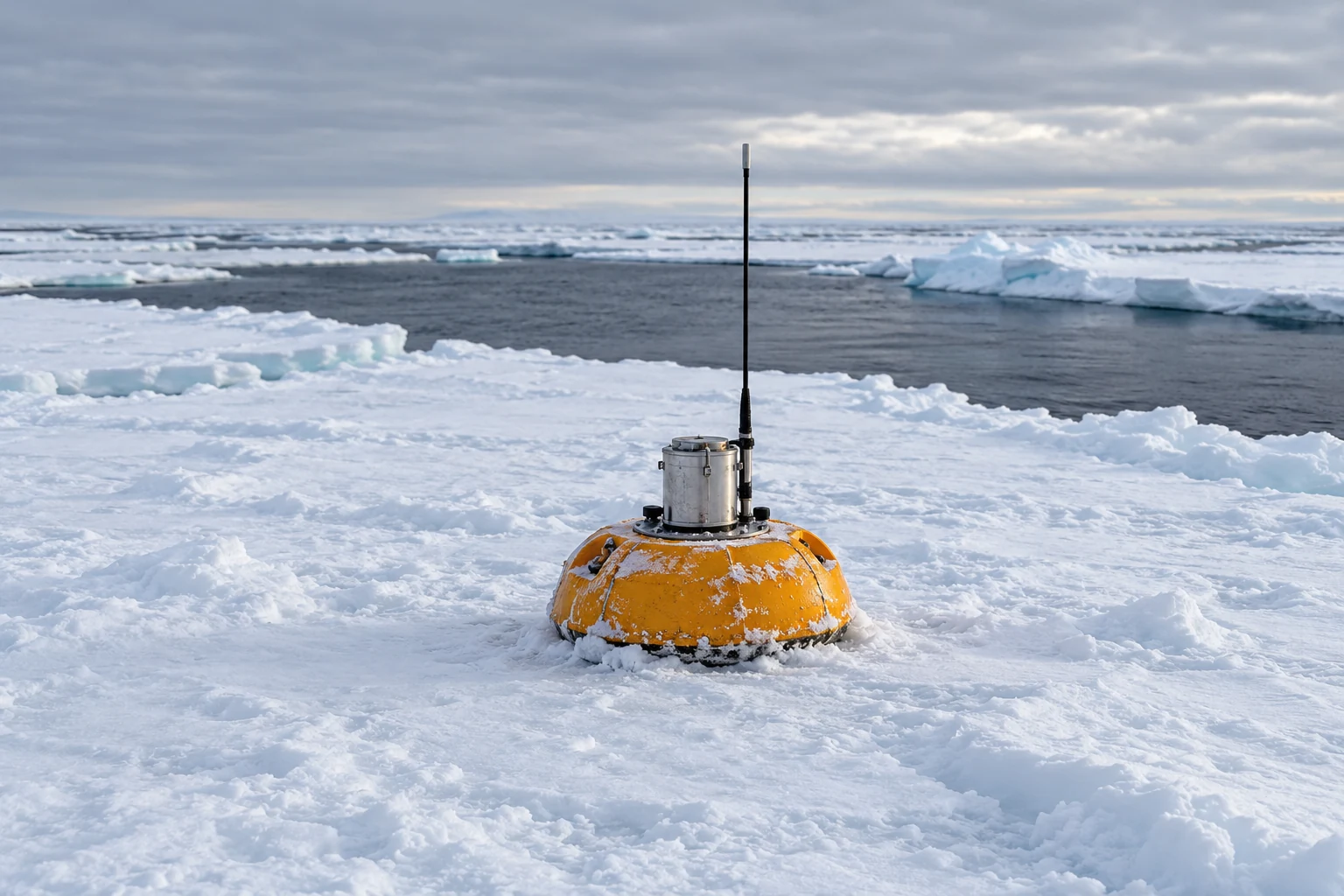
A drifting instrument is not a fixed station
A rising temperature line may record movement through a water-mass boundary. Following position, depth, and salinity helps distinguish spatial structure from change through time.