Sea Ice
-

An evidence session with room for a better question
Design a school or community session around one source, a testable claim, accessible participation, and a traceable answer rather than a roomful of pledges.
-
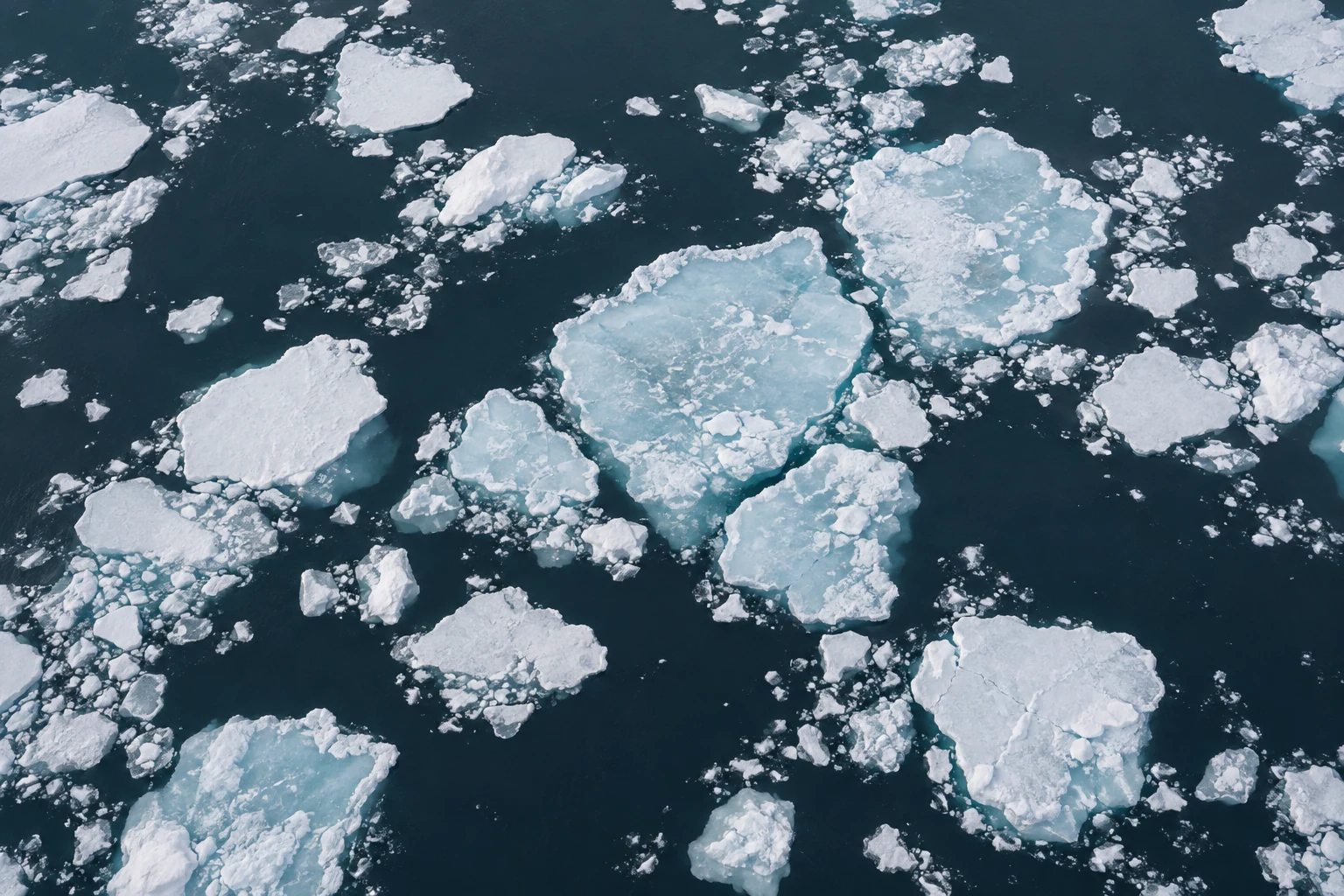
Read the Arctic Report Card beyond the headlines
Follow a headline into its definition, table, calendar, and method, from daily sea ice minima to the limits of an observing-network assessment.
-
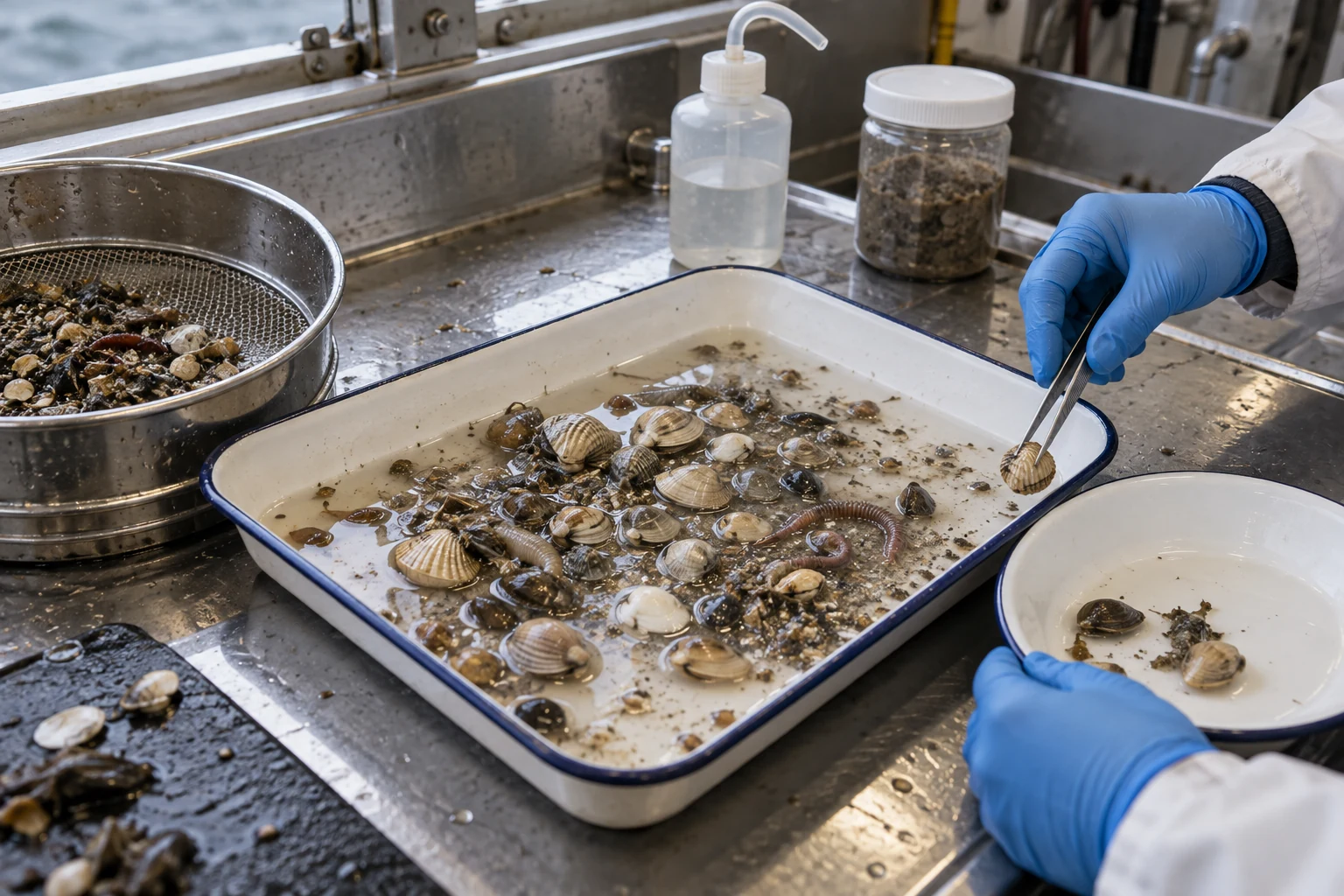
Testing a changing Arctic food web
A Bering and Chukchi Sea synthesis tests borealization against a different food-web mechanism. Mixed species responses, sampling gaps, and an exceptional first year sharpen the conclusion.
-
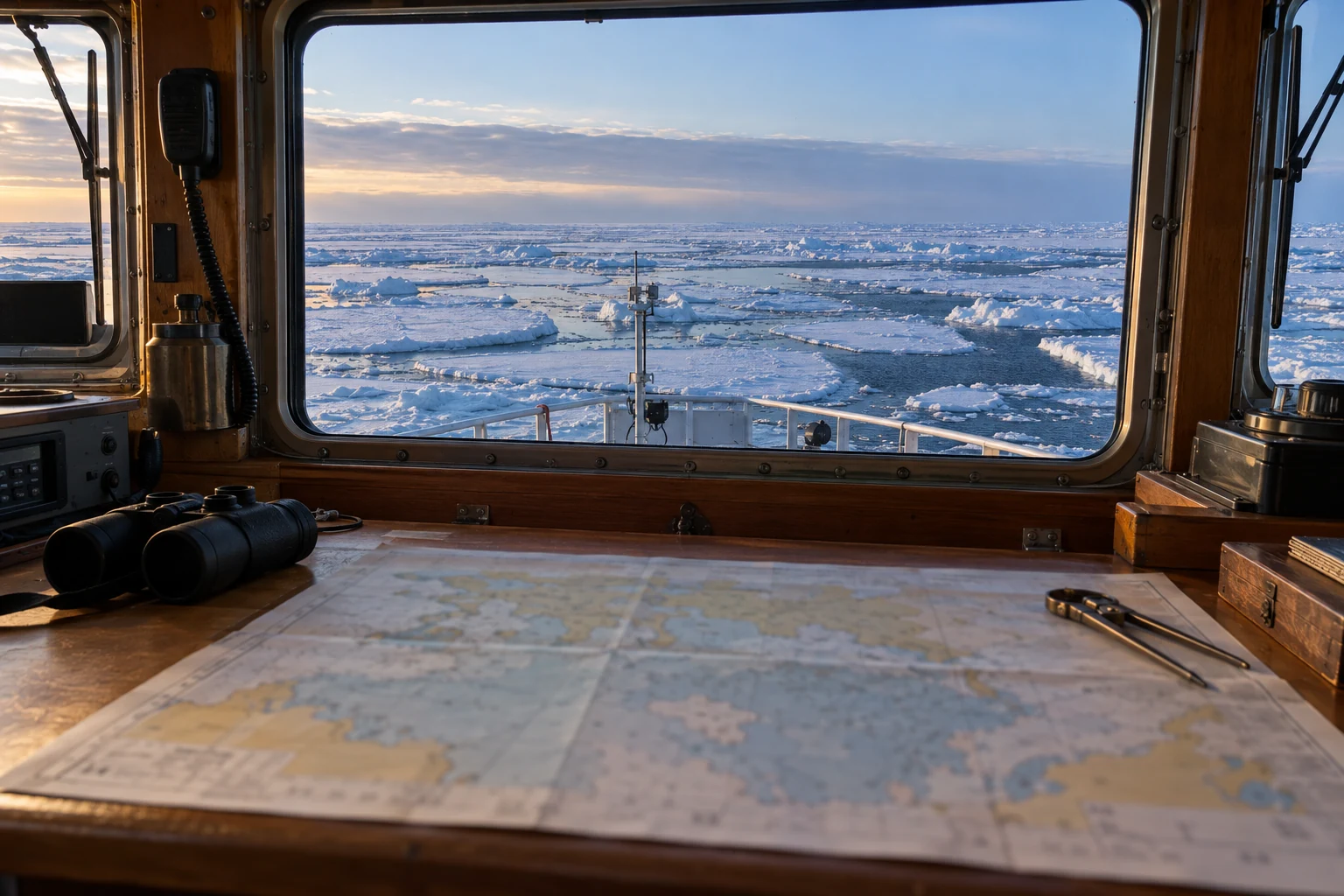
What an ice chart cannot promise
Valid times, egg codes, partial concentrations, and chart coverage matter. Learn why a regional ice analysis cannot guarantee route connectivity, local strength, or a safe journey.
-
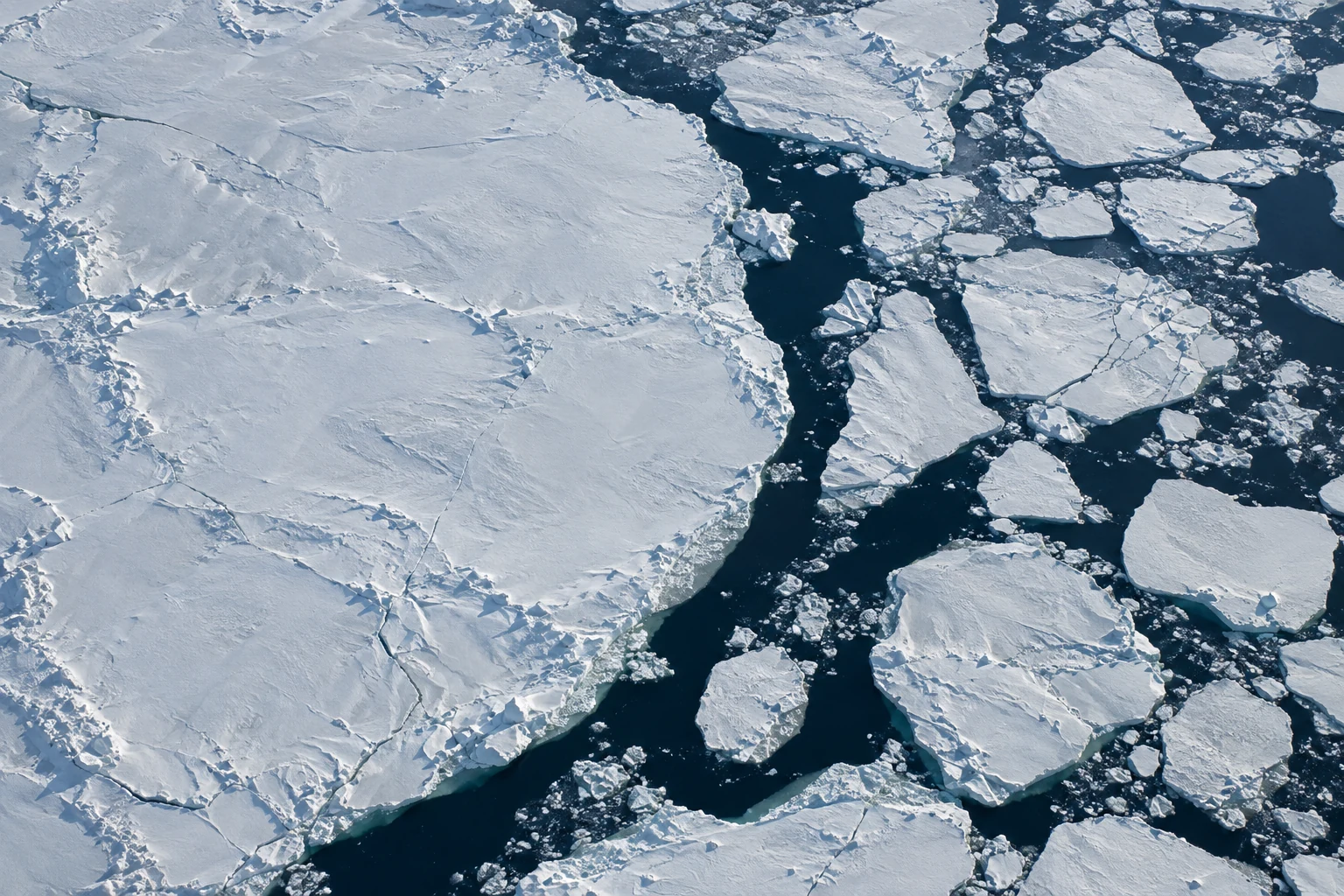
A sea-ice pixel is not a habitat map
Identical ice concentrations can conceal different floes, openings, and feeding opportunities. Habitat interpretation needs geometry, seabed context, compatible dates, and evidence of what animals actually use.
-
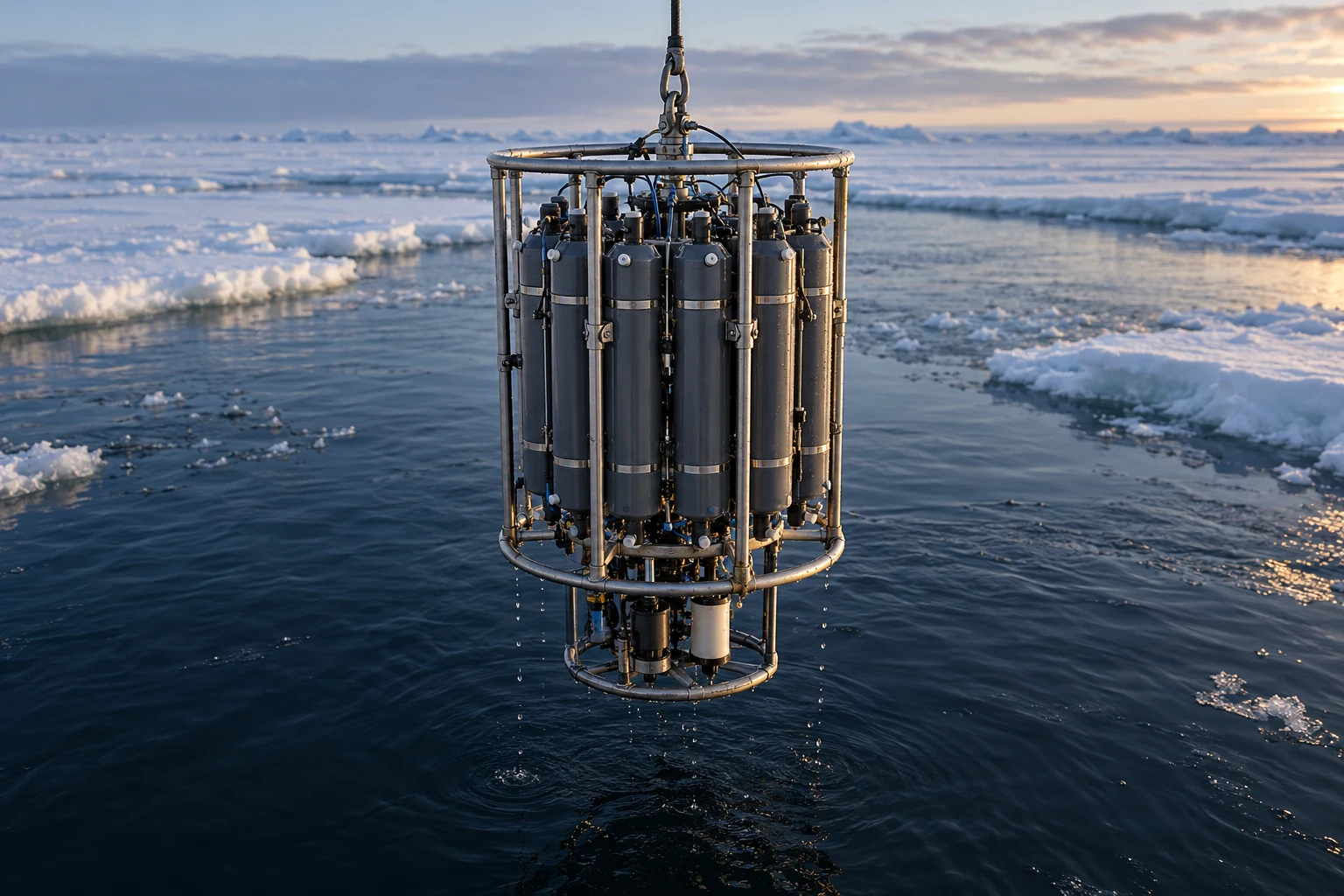
The warmth beneath the Arctic surface
Atlantic-origin warmth can sit below cold surface water. Density layers, currents, and mixing determine when stored ocean heat becomes heat delivered to sea ice.
-
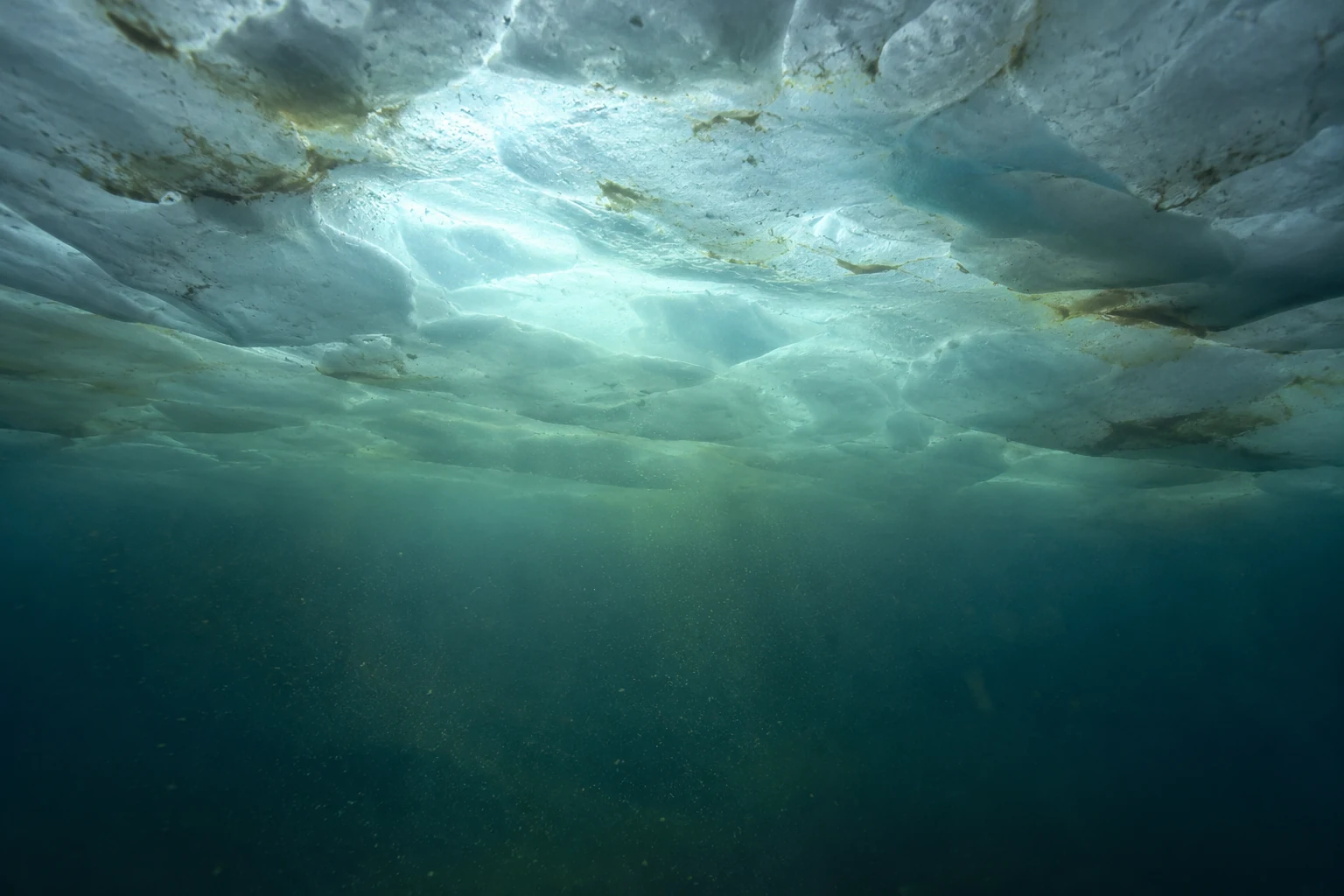
The bloom can begin before open water
Under-ice blooms complicate the seasonal calendar. Light transmission, nutrients, consumer timing, and satellite blind spots explain why open water is not the food web’s starting gun.
-
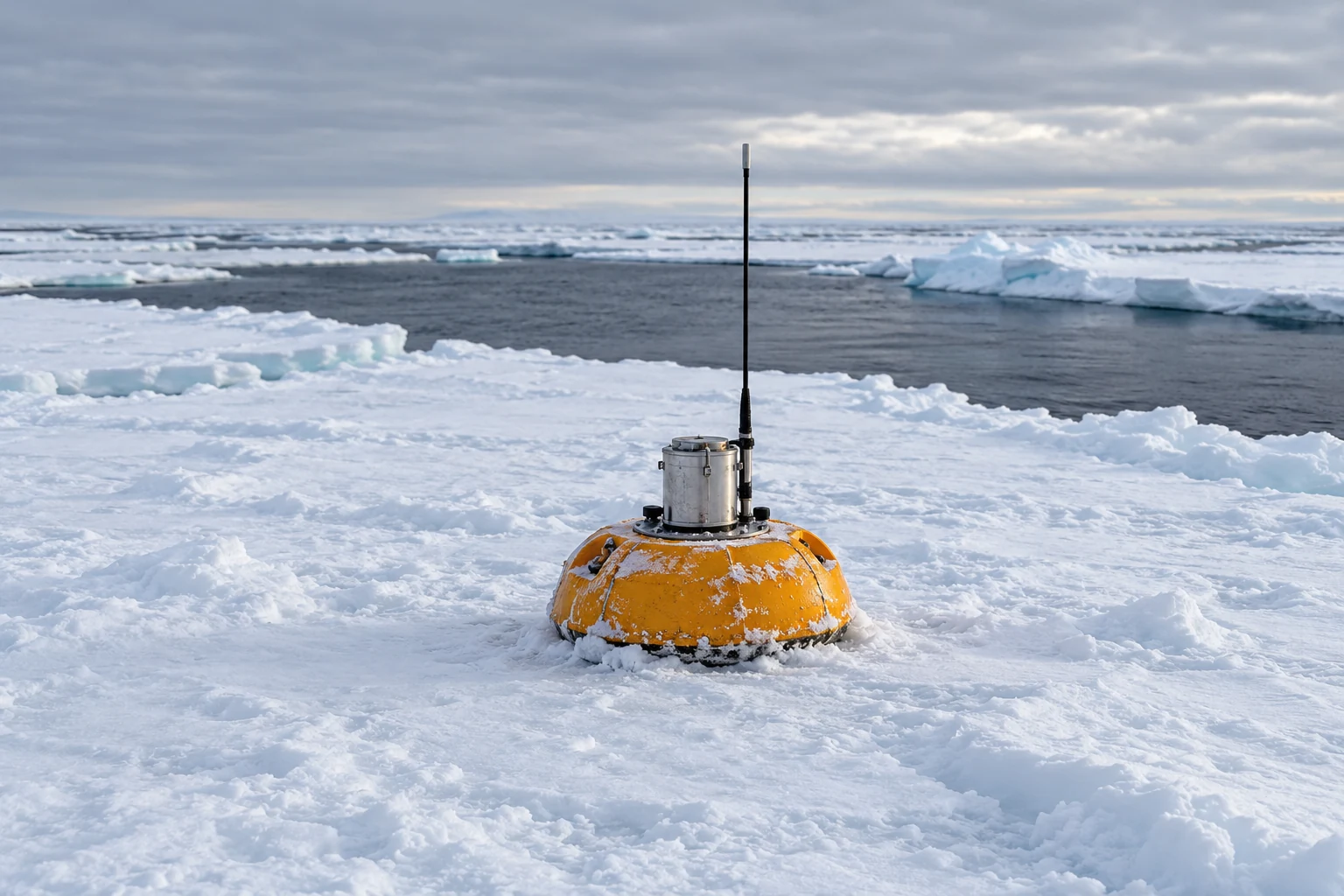
A drifting instrument is not a fixed station
A rising temperature line may record movement through a water-mass boundary. Following position, depth, and salinity helps distinguish spatial structure from change through time.
-
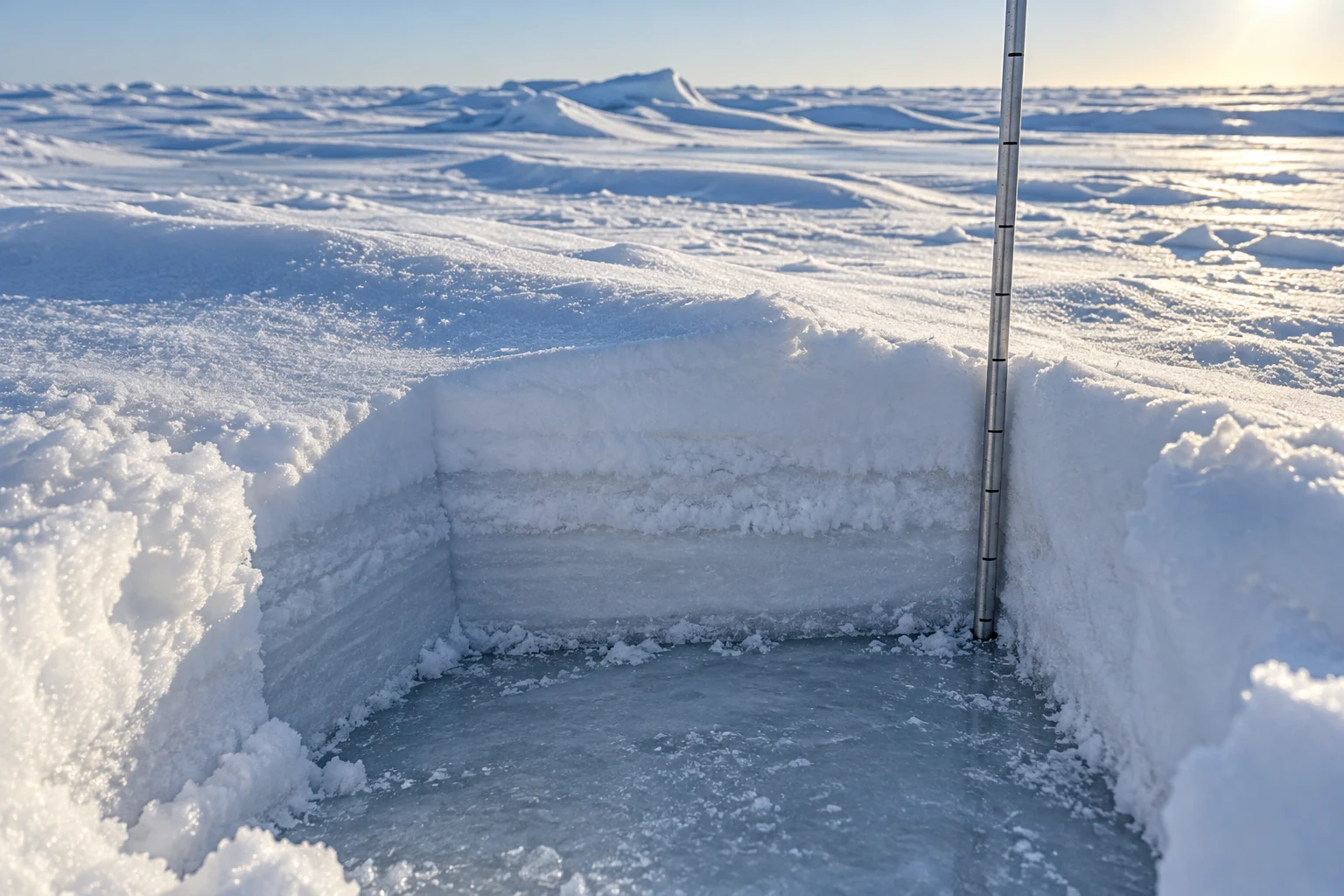
Snow on sea ice has two seasons
Why a snow blanket can slow winter ice growth yet delay spring melt, and why depth, density, timing, and wind redistribution belong in the comparison.