Field Methods
-
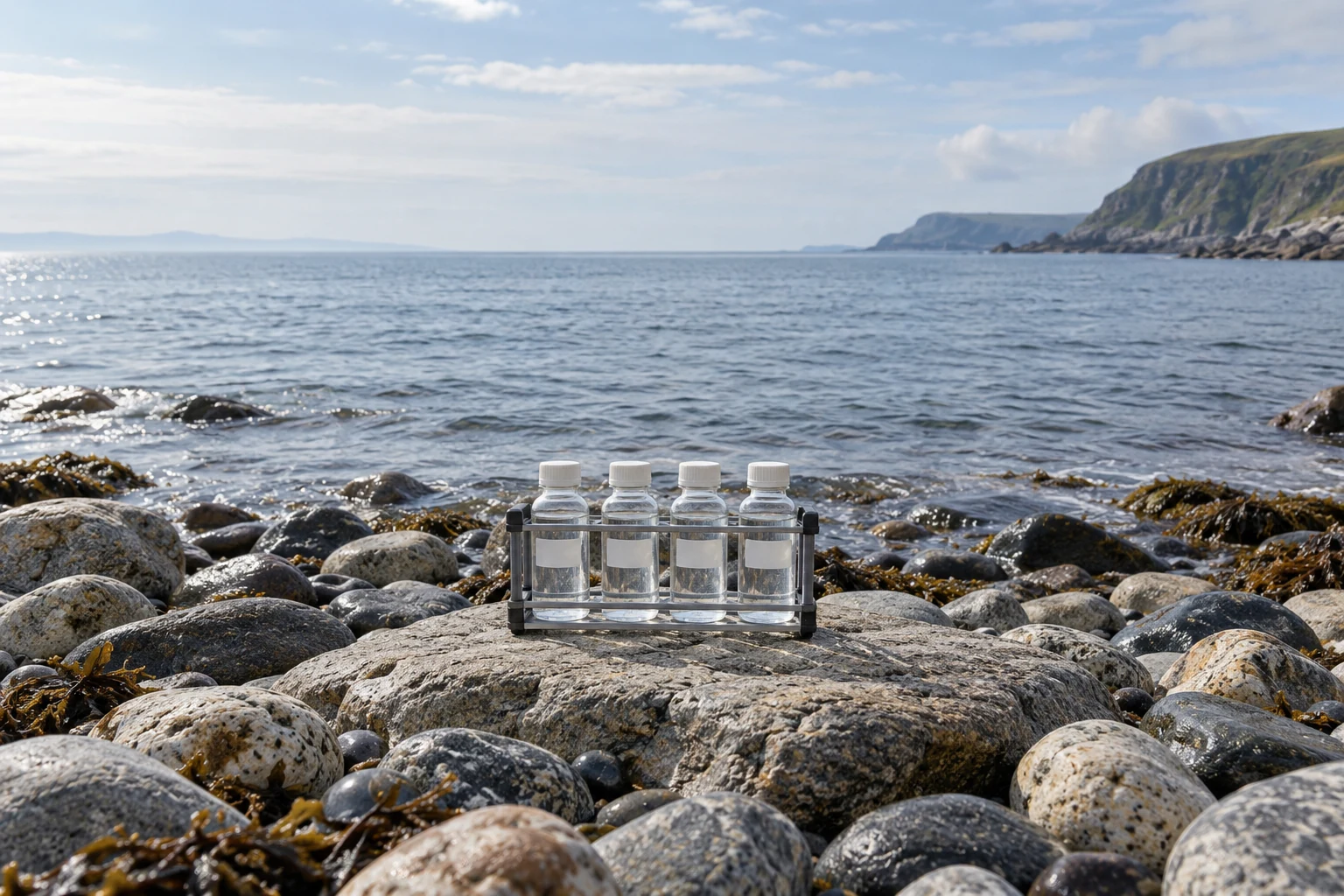
Say what is uncertain, precisely
Distinguish measurement ranges, confidence, mechanisms, and policy choices. Specific limits make climate evidence more usable than vague caution.
-
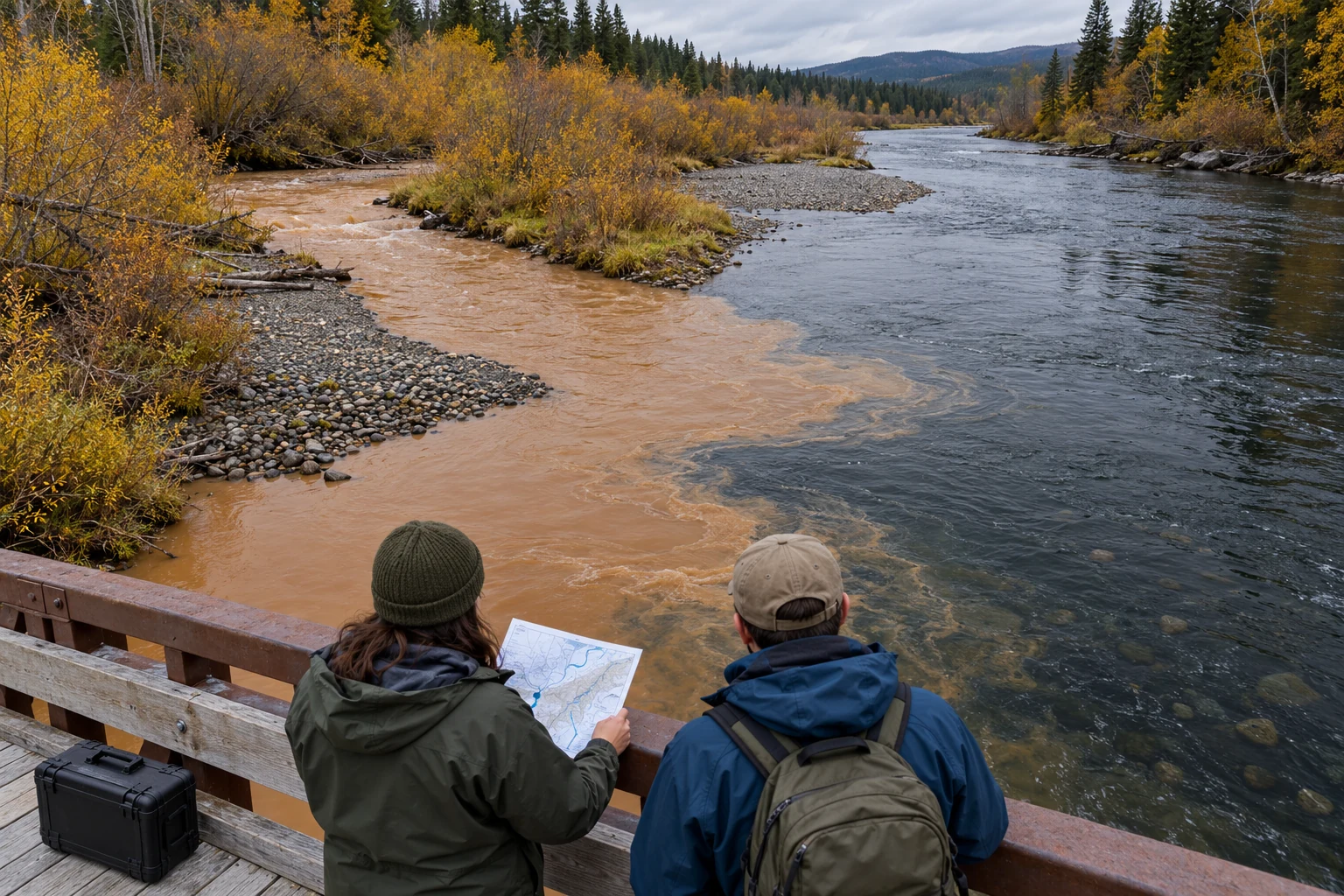
A research question before a sensor
Use a hypothetical river-water question to work backwards from a real concern to sampling, competing explanations, maintenance, and a defensible measurement.
-
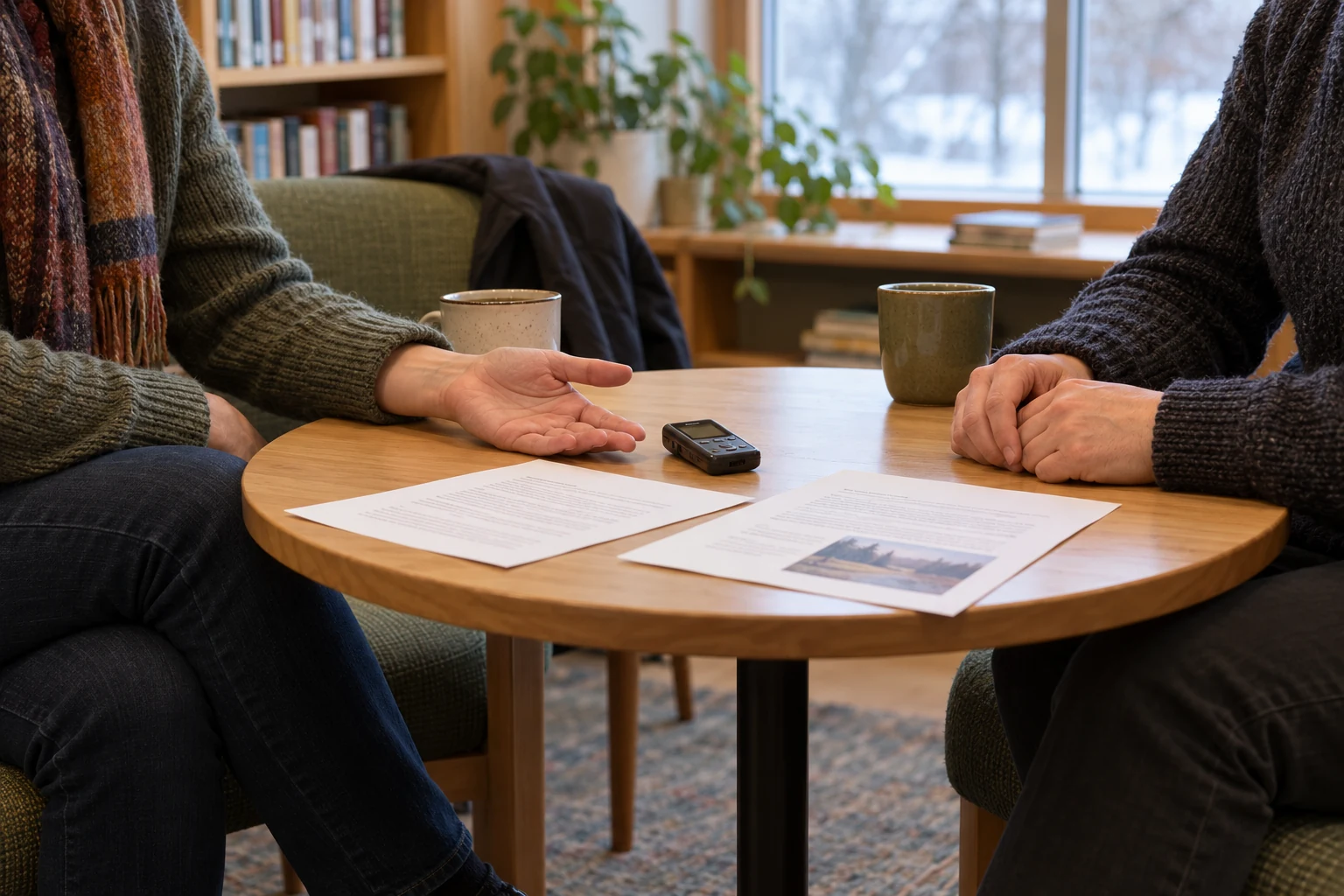
Consent is a conversation, not a form
Make refusal usable, separate individual consent from collective authority, and explain what happens when a research plan or permission changes.
-

A reproducible chart starts before the chart
Keep the question, baseline, input version, filters, and calculation with a public graphic so another reader can recover more than its pixels.
-
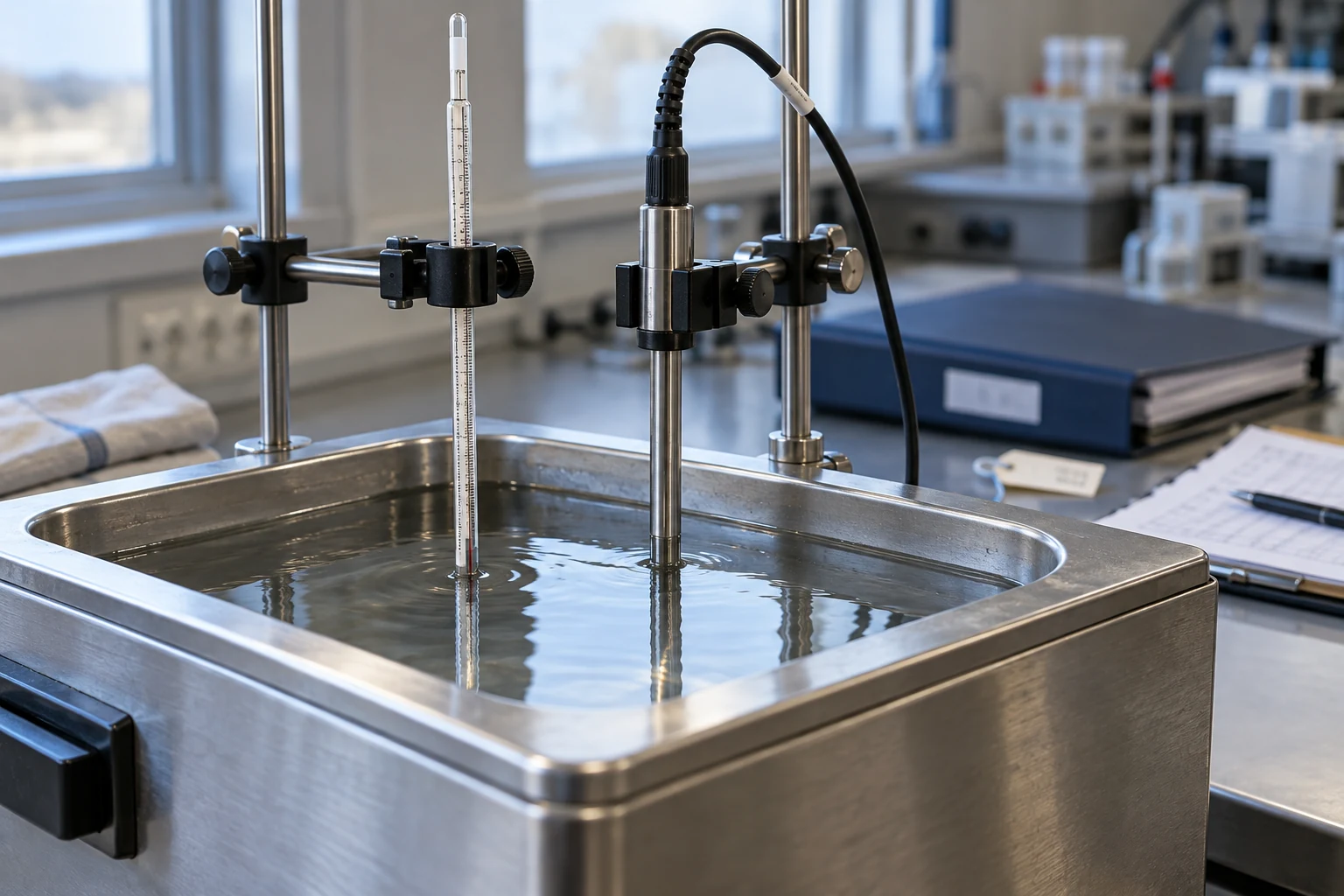
The calibration record behind a trusted number
Traceability, adjustment, field checks, and sensor replacement: why a certificate cannot carry the whole uncertainty of a measurement.
-
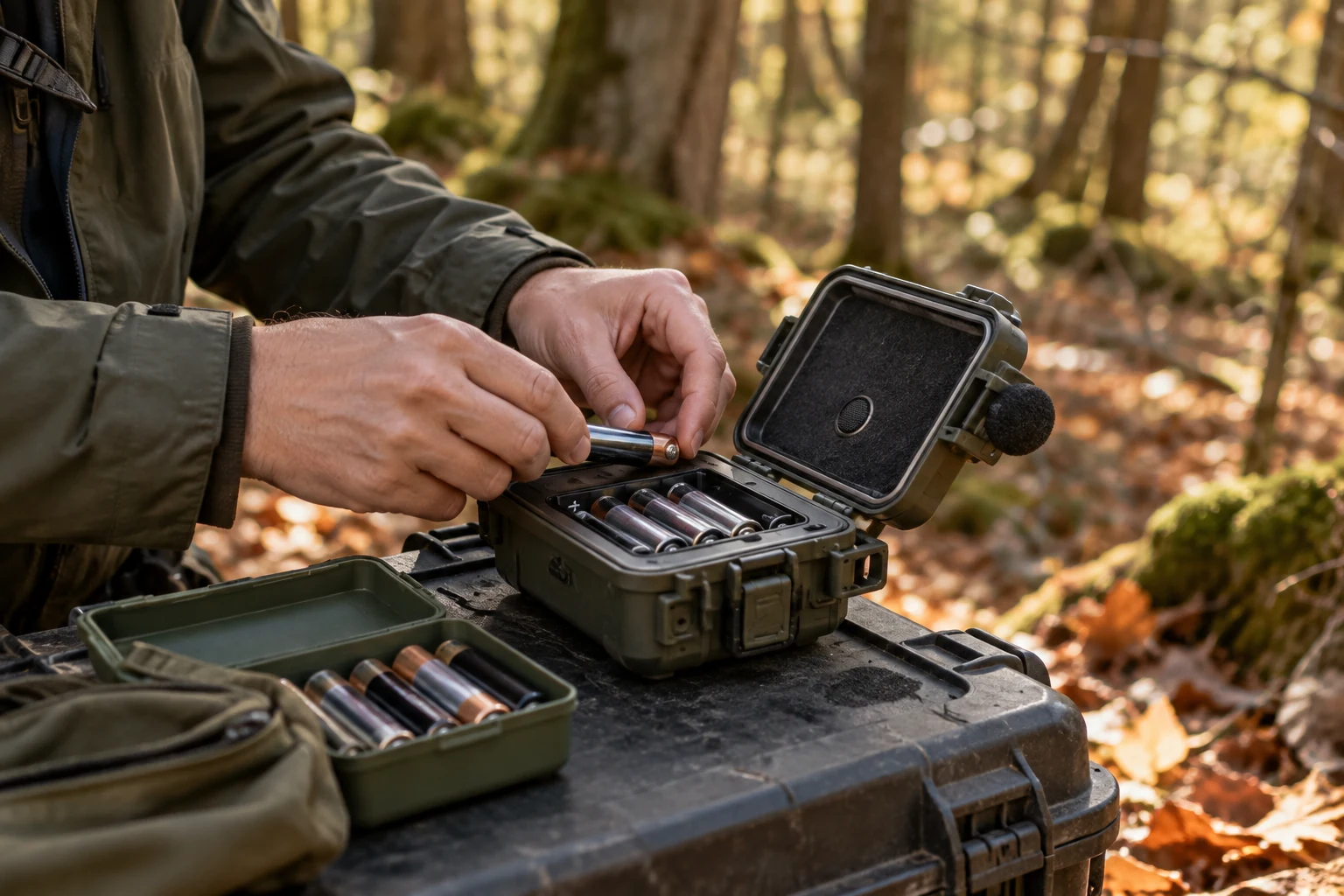
Missing observations are not zeroes
A failed recorder, a masked call, and zero detections are different findings. How effort, flags, and honest gaps protect an observation record.
-
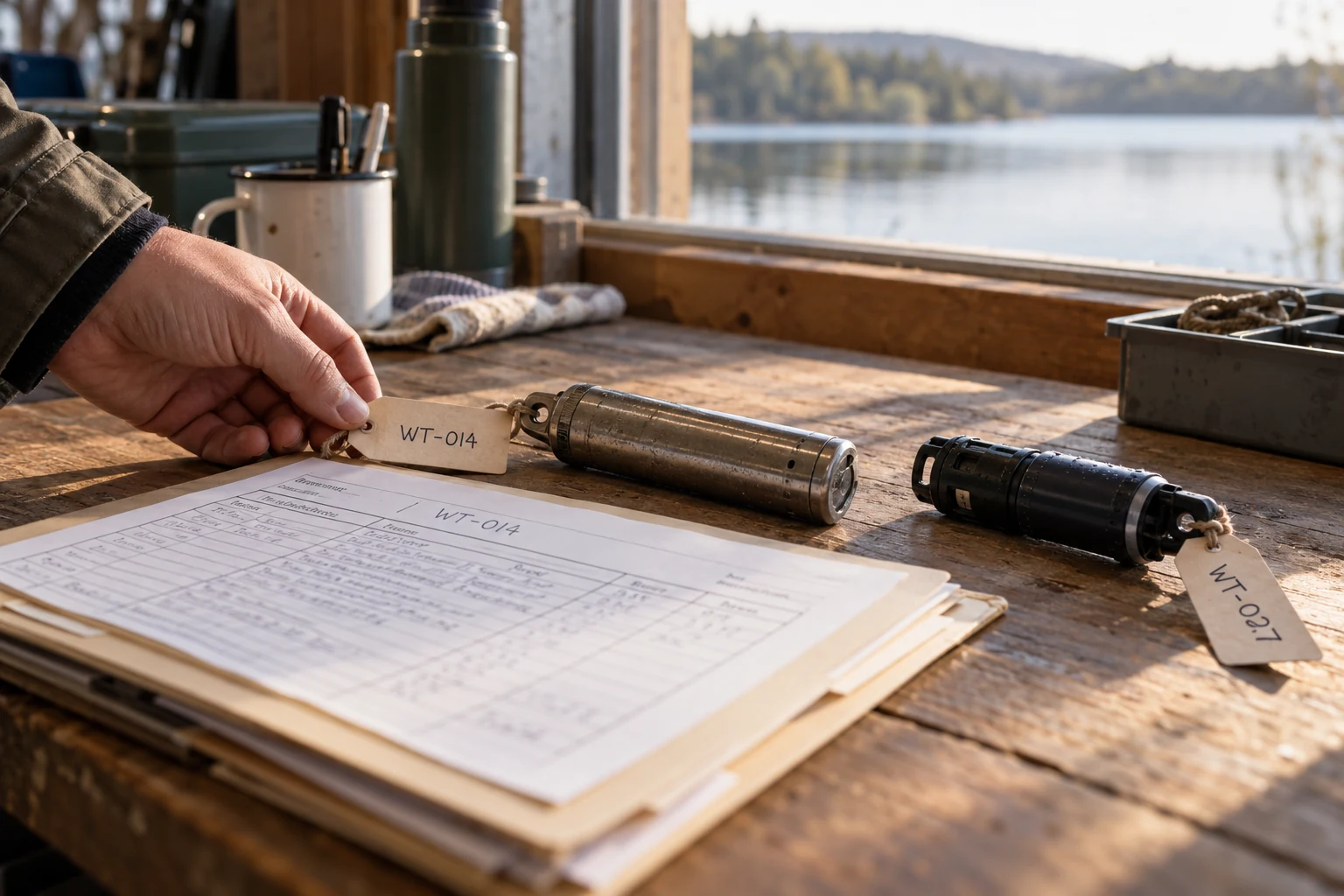
Metadata that outlives an instrument
What a future reader needs to recover a measurement’s meaning: sampling intervals, deployment changes, versions, governance, and a responsible steward.
-
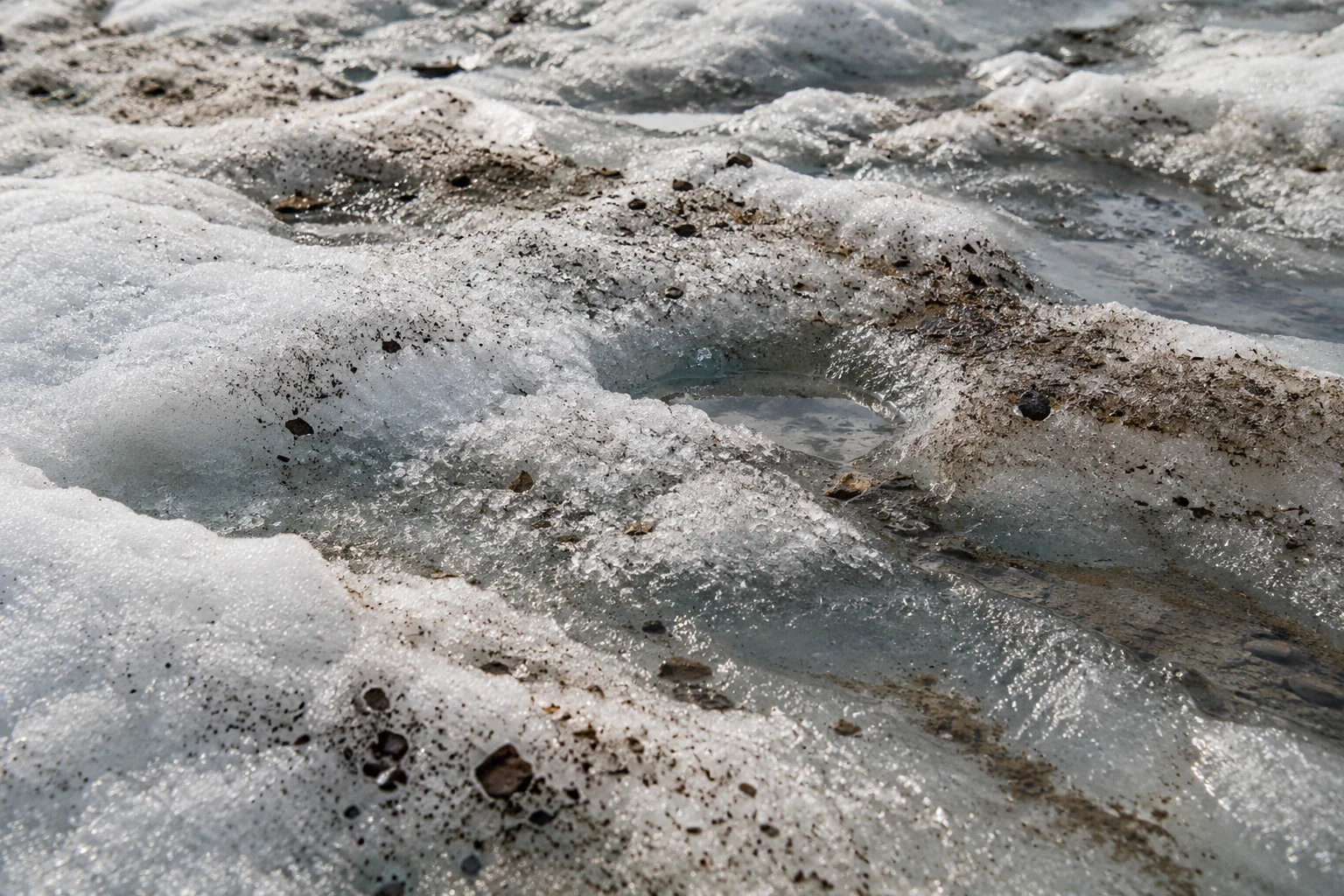
Greenland’s dark ice has more than one cause
Snow retreat, glacier algae, particles, and ice texture all influence reflectivity. Separate the observed darkening from its cause and melt consequence.
-
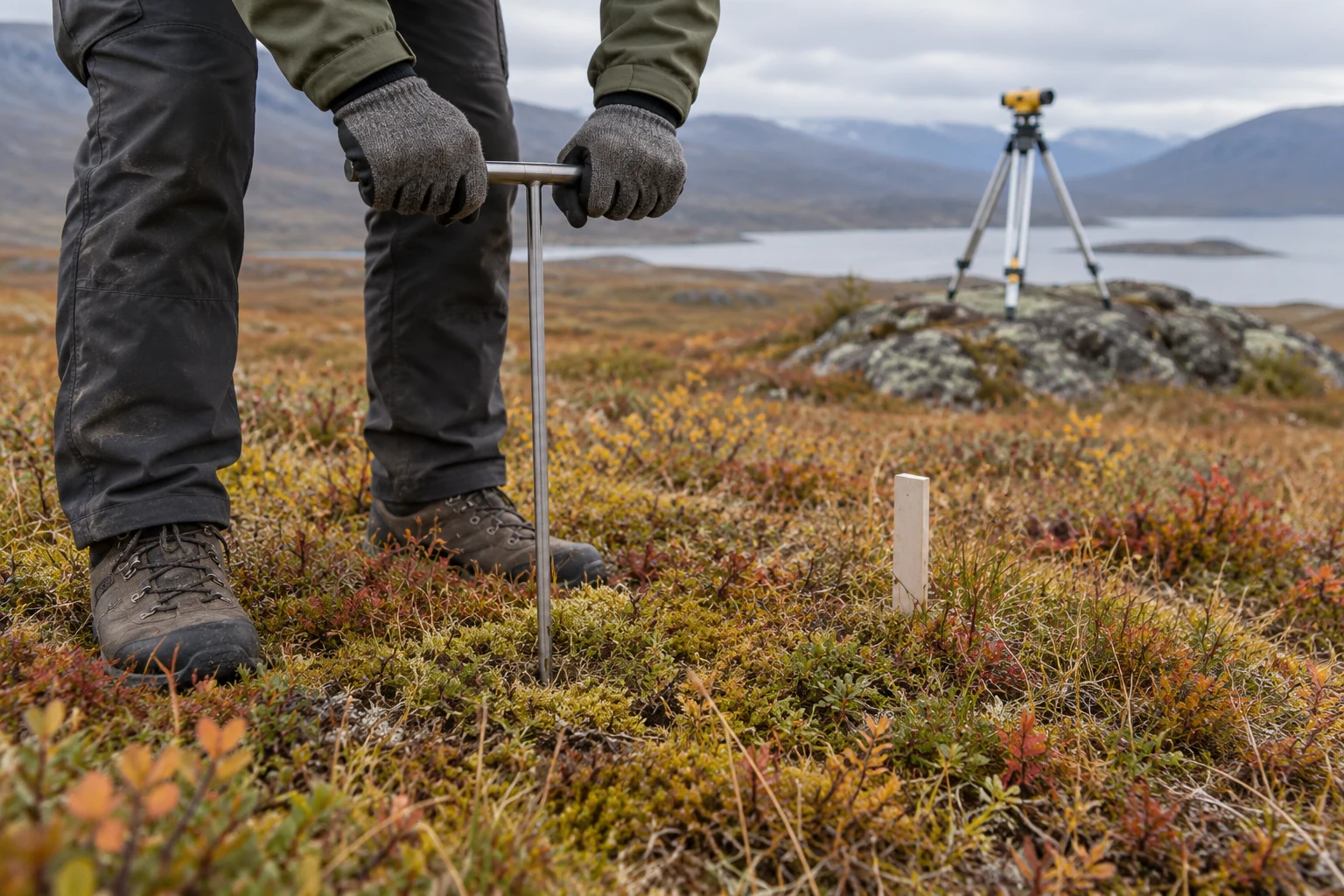
When the ground moves beneath the ruler
A repeated thaw depth can hide a moving surface. Reference conventions, probe refusal, seasonal timing, and survey history keep comparisons honest.