Field Methods
-
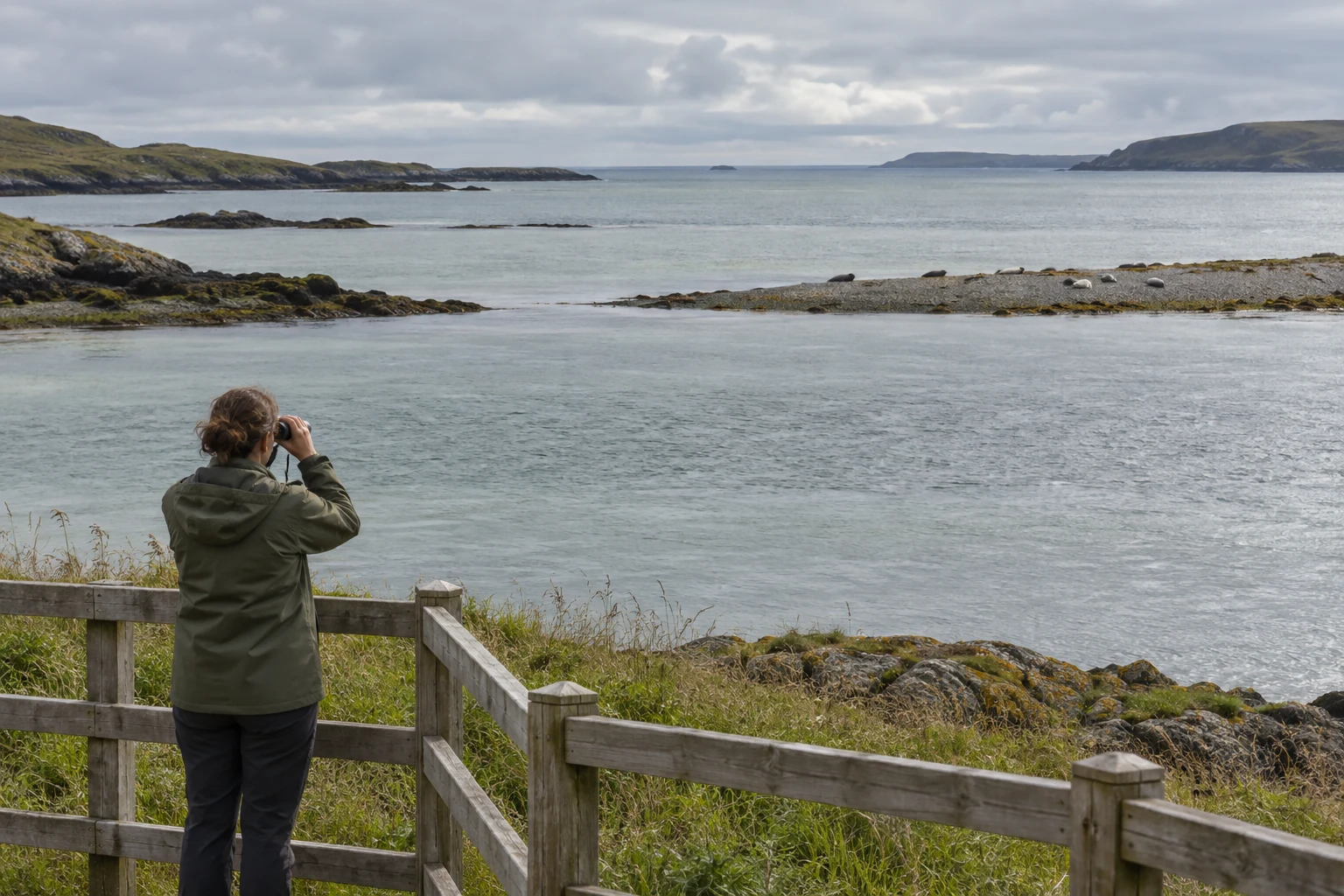
Distance is part of wildlife observation
A minimum distance is not a target. Compare two ways of taking the same photograph, and consider duration, crowding, local authority, sensitive locations, and research permissions.
-
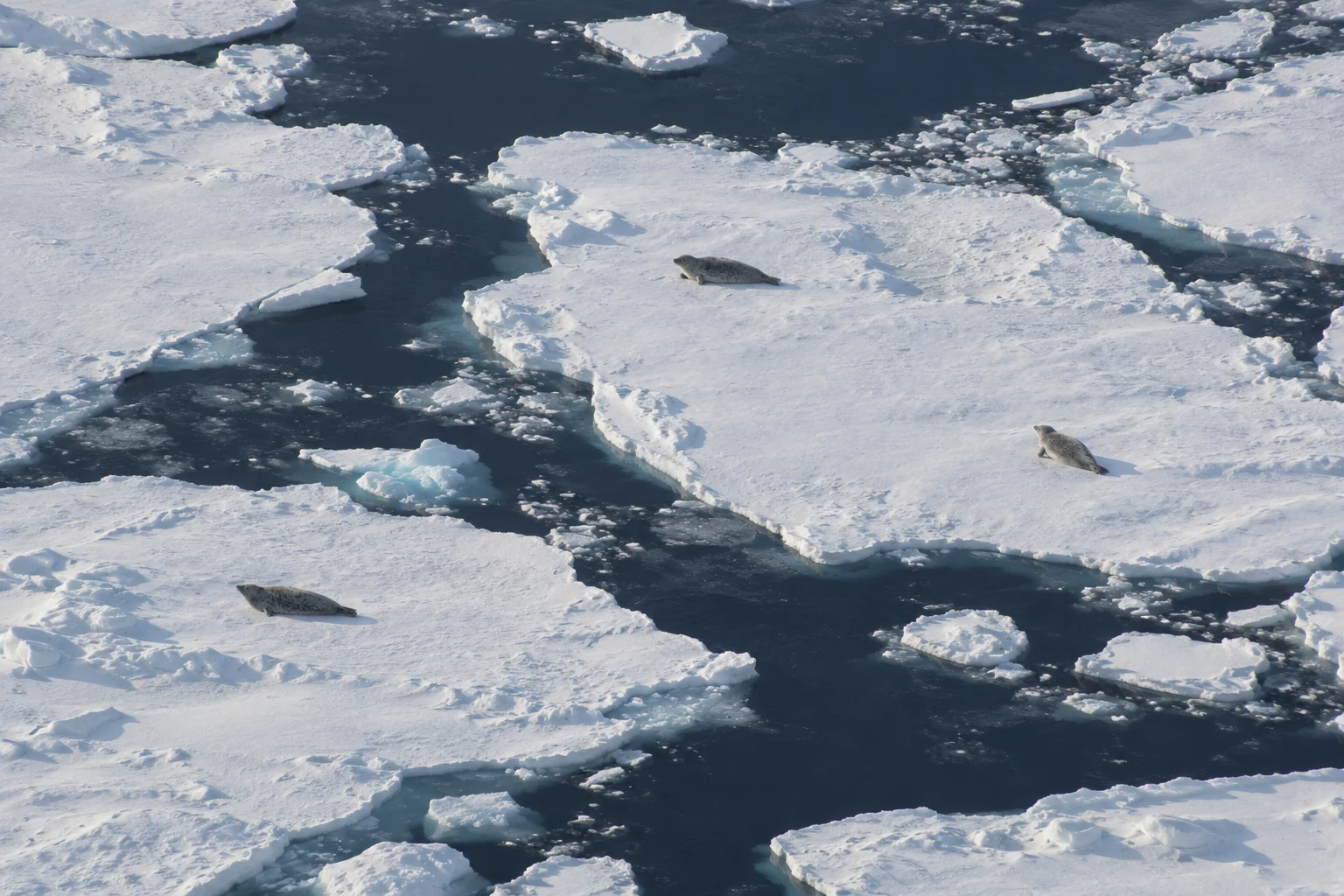
Counting the seals you cannot see
Aerial counts miss seals in water and snow lairs. Haul-out research shows how availability, visibility, survey conditions, and sampling determine what a population estimate can mean.
-
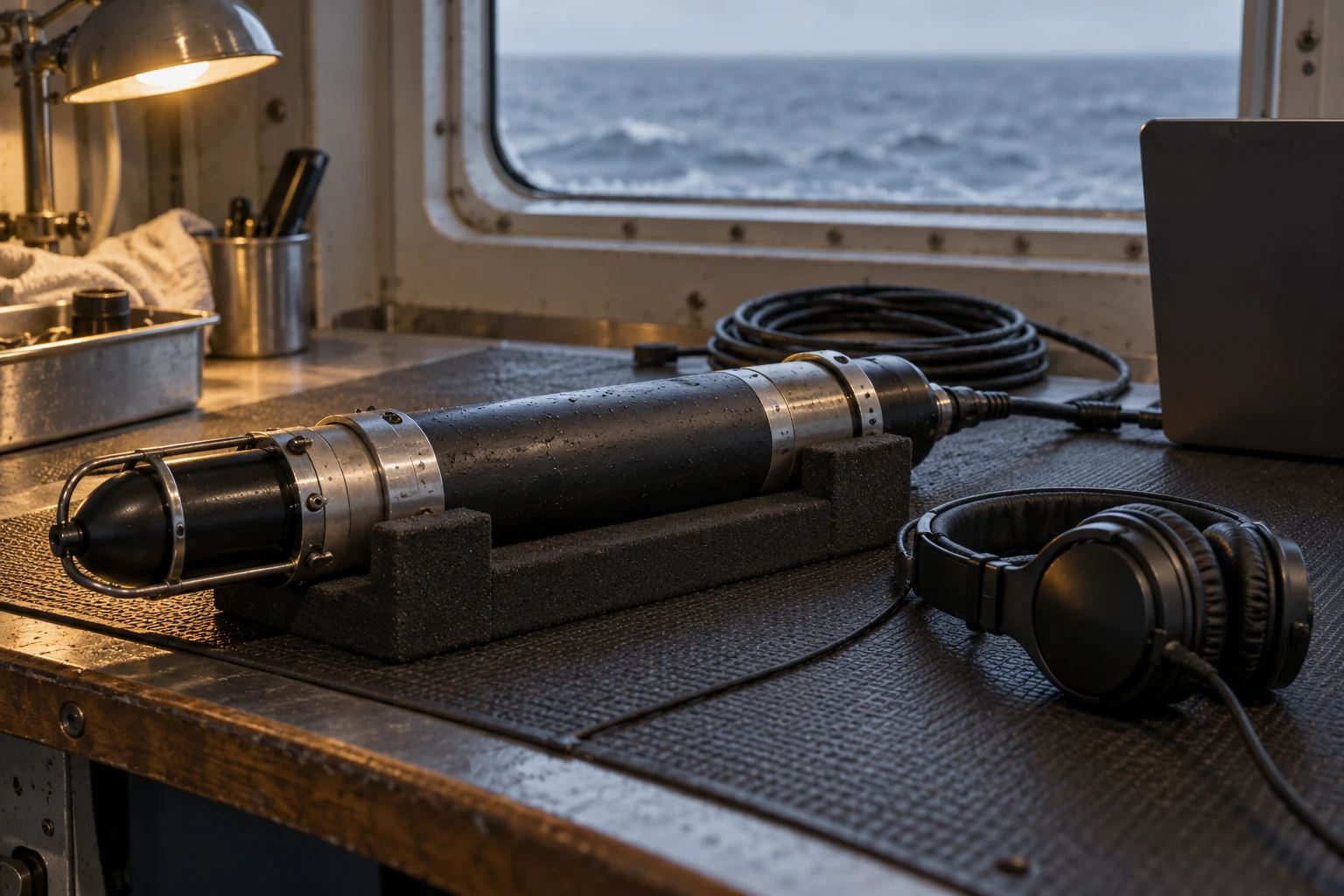
A quiet recording is not an empty sea
Recording schedules, changing noise, call rates, and detector thresholds shape acoustic non-detections. A worked comparison shows why silence is not a census of absence.
-
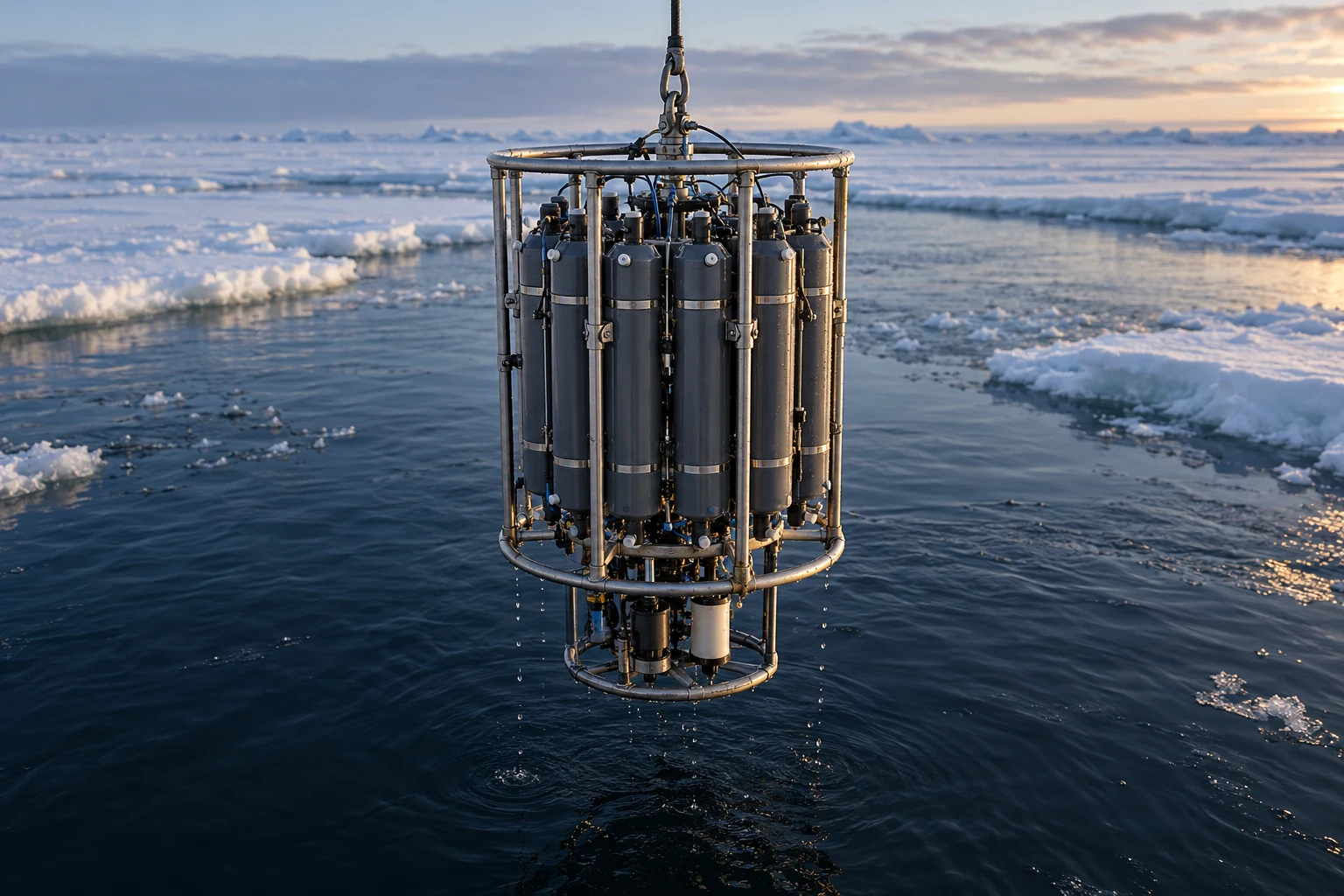
The warmth beneath the Arctic surface
Atlantic-origin warmth can sit below cold surface water. Density layers, currents, and mixing determine when stored ocean heat becomes heat delivered to sea ice.
-
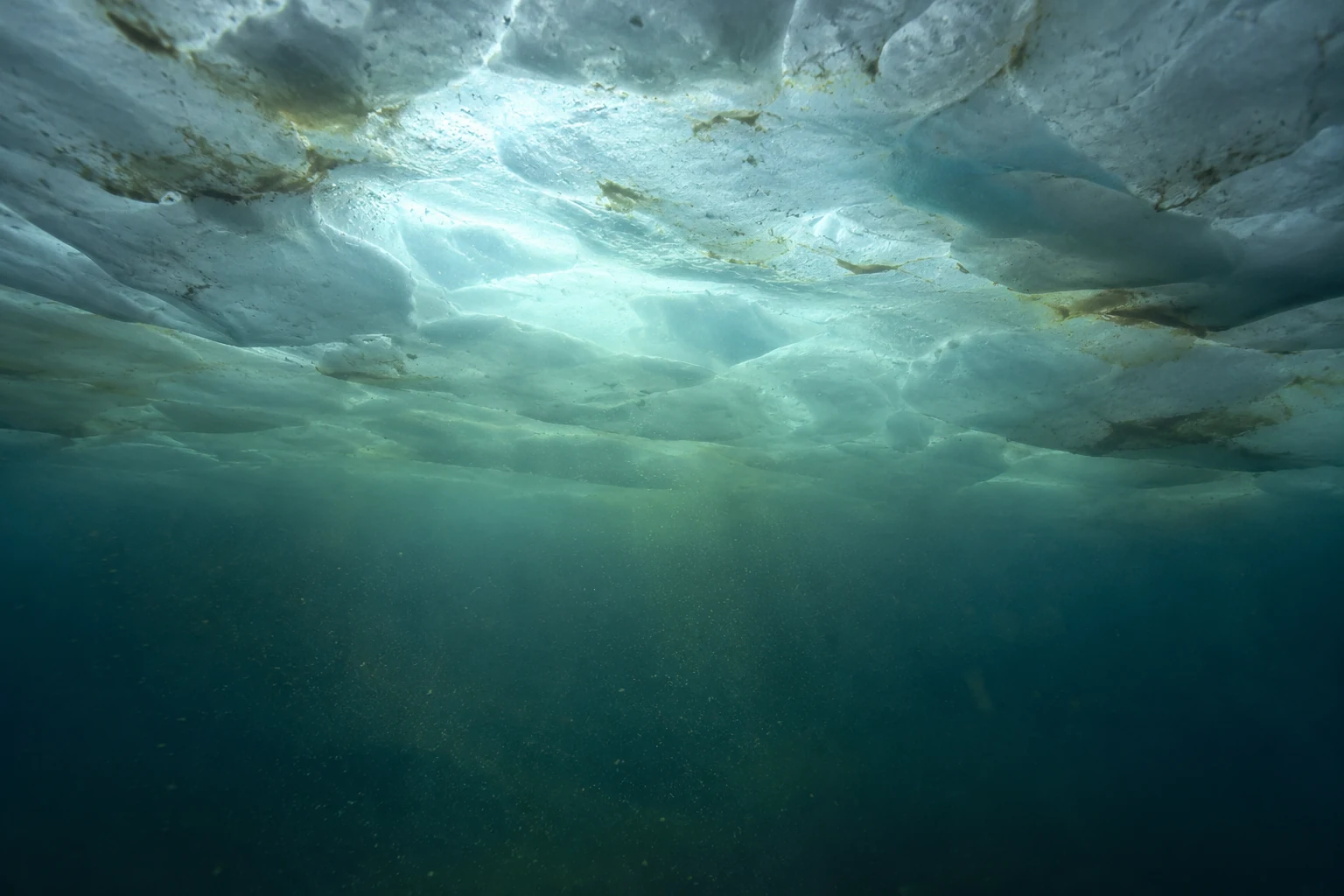
The bloom can begin before open water
Under-ice blooms complicate the seasonal calendar. Light transmission, nutrients, consumer timing, and satellite blind spots explain why open water is not the food web’s starting gun.
-
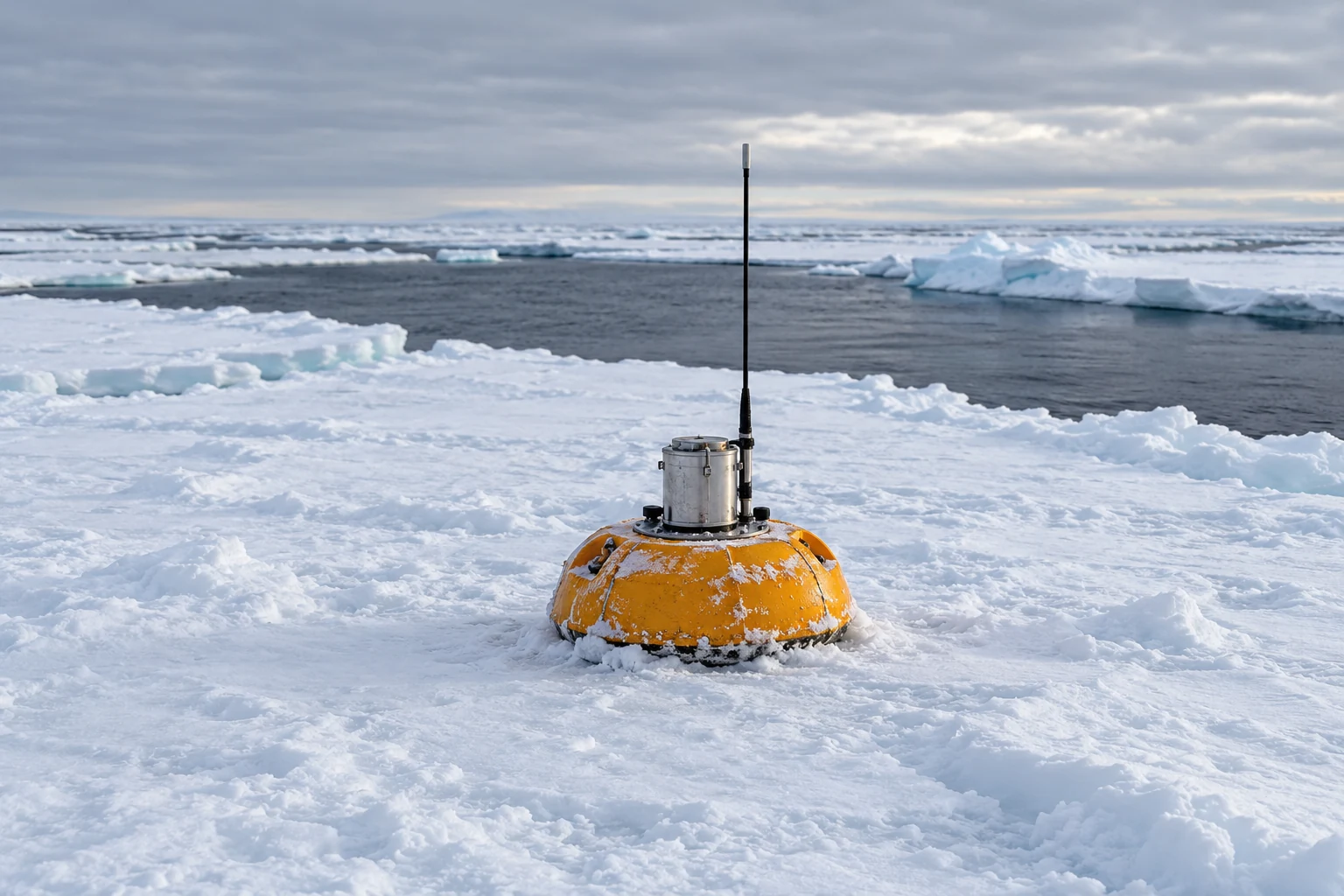
A drifting instrument is not a fixed station
A rising temperature line may record movement through a water-mass boundary. Following position, depth, and salinity helps distinguish spatial structure from change through time.
-
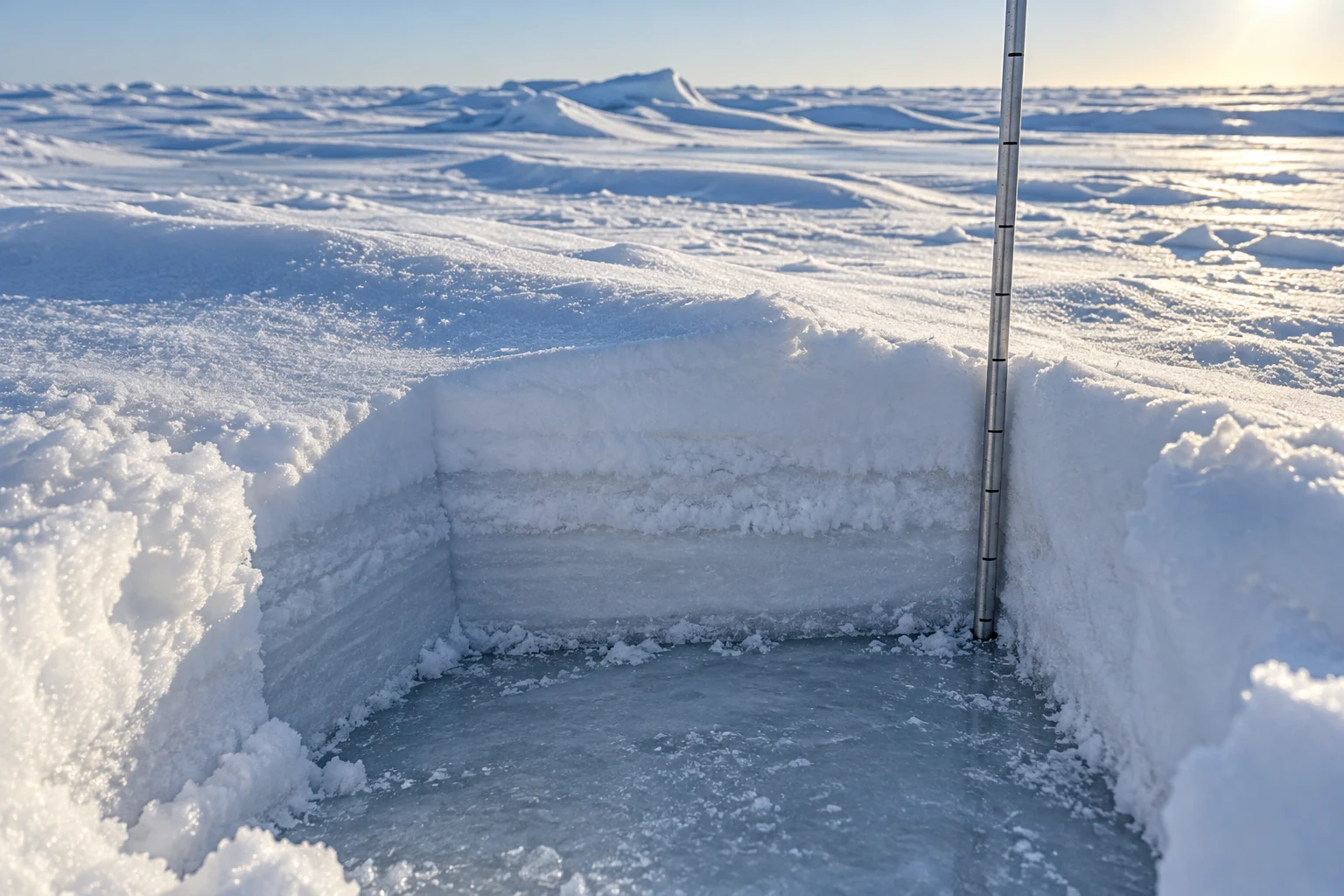
Snow on sea ice has two seasons
Why a snow blanket can slow winter ice growth yet delay spring melt, and why depth, density, timing, and wind redistribution belong in the comparison.
-
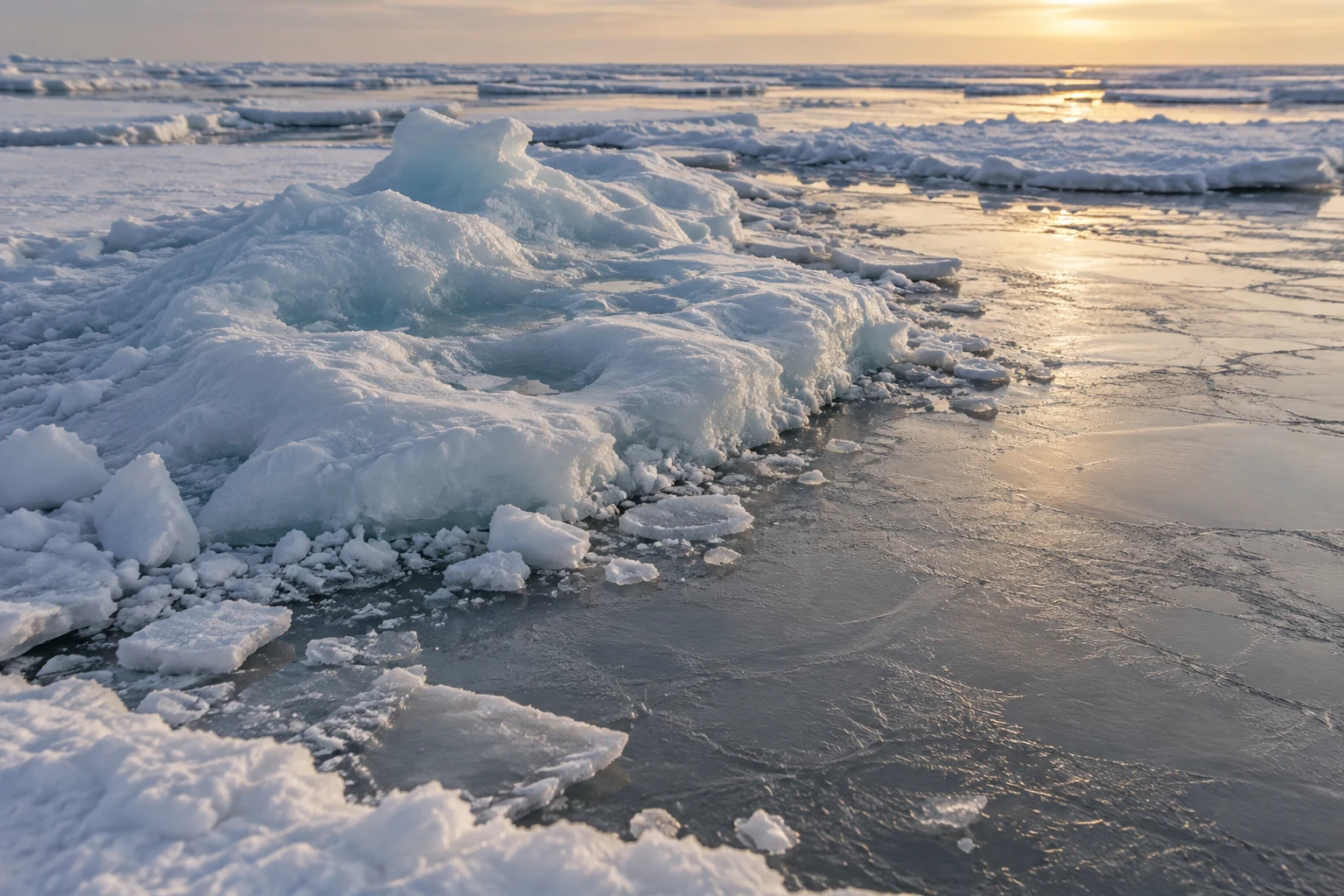
How old is that sea ice?
Ice-age colours track survival and movement, not every floe’s thickness. Learn what the oldest category in a grid cell reveals, conceals, and cannot promise.
-
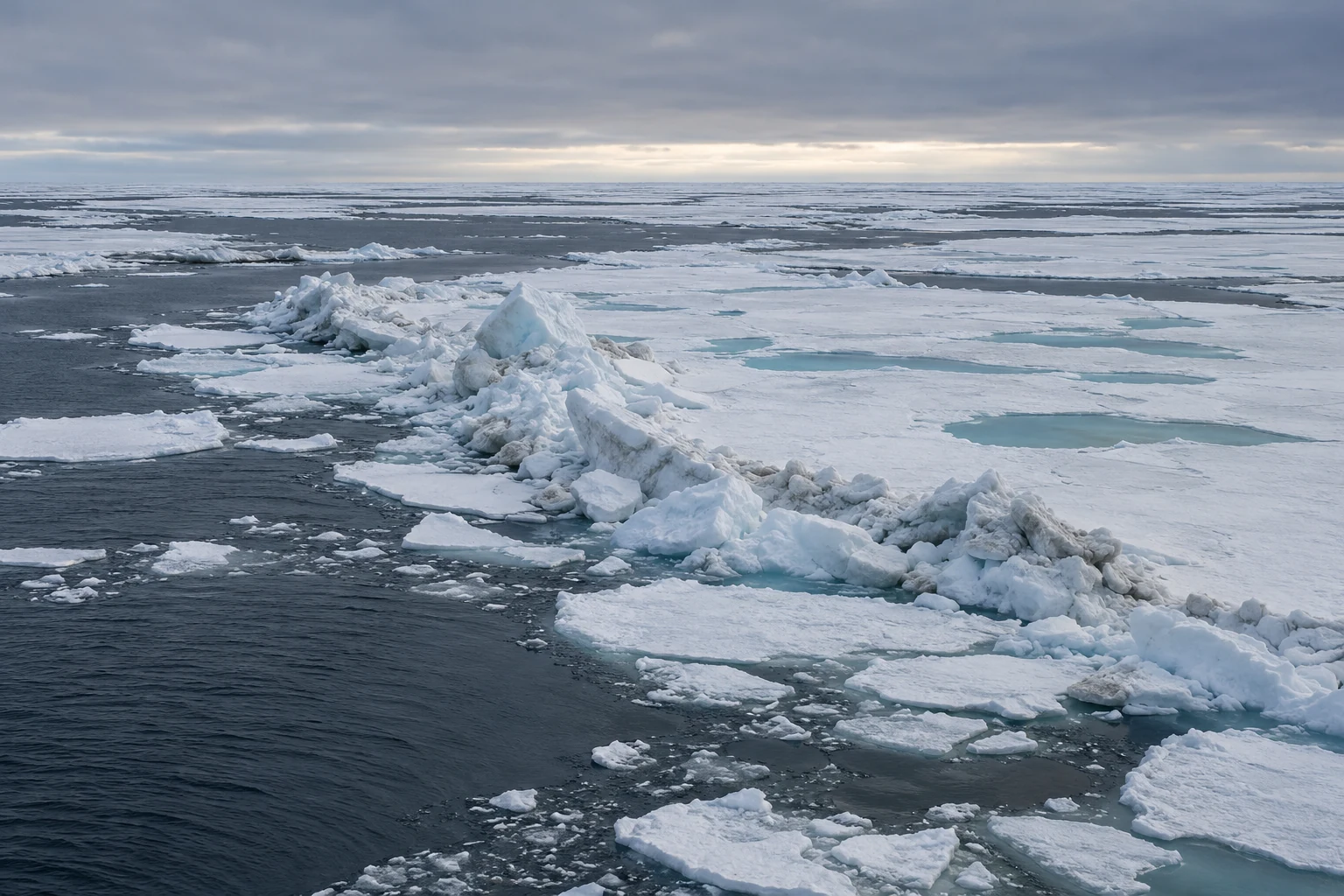
At the ice edge north of Svalbard
A careful reading of melt ponds, pressure ridges, kittiwakes, wildlife distance, and younger sea ice.